Inside The Rep: The Biomechanics Of Effective Workouts
Key Takeaway: In this guide, Coach Sharm explores evidence-based principles of Inside The Rep for sustainable health and fitness results in Singapore.
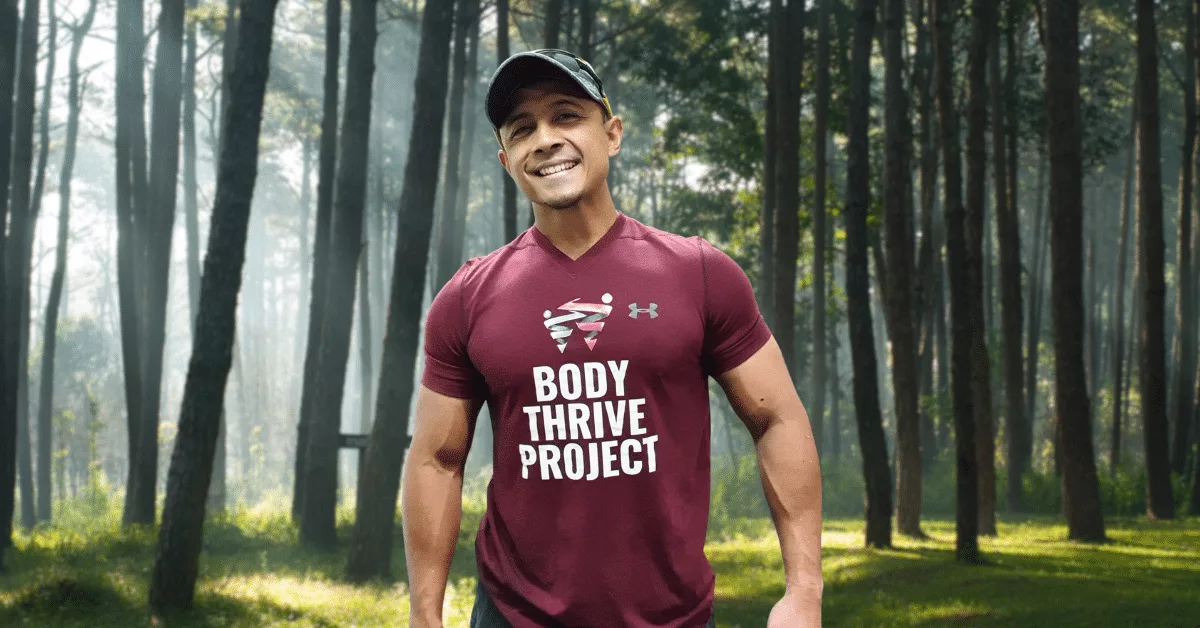
Are you a busy adult in Singapore looking to lower your health risks, feel fantastic, look your best, and live life to the fullest so you can better serve your loved ones? If so, then understanding the basics of biomechanics is essential for successful workouts.
Analyzing movement Inside The Rep through applied biomechanics reveals how moment arms, tempo control, and muscular tension govern hypertrophy and joint safety. Rushing through repetitions with jerky momentum transfers mechanical load away from targeted muscles and directly onto spinal discs and joint capsules. At BodyThrive Sultan Plaza #03-10, Coach Sharm (MSc Exercise & Sports Science) coaches precise concentric acceleration paired with a deliberate three-second eccentric lowering phase. This deliberate control maximizes high-threshold motor unit recruitment, optimizes muscle hypertrophy, and protects long-term joint integrity against painful overuse injuries.
Biomechanics is the study of how the body moves and functions during exercise. This knowledge can revolutionise your workout regime and help you achieve the best results – all without the need for a personal trainer.
In this article, we’ll take you through the basics of biomechanics and cover essential elements such as proper form and technique. We’ll also show you how to target specific muscle groups, so you can maximise your gains. Not to mention, we’ll point out common mistakes to avoid along the way, to stop you from hindering your progress.
We also understand that choosing the right equipment and accessories is an important part of your workout, which is why we’ll provide advice on how biomechanics can guide you in making the best choices. Plus, we’ll discuss injury prevention techniques to ensure your body is protected from strain and injury.
Finally, for those looking to take their workouts to the next level, we’ll provide advanced biomechanical strategies that will help optimise your performance.
By understanding the intricate details of biomechanics, you will gain a deeper appreciation for how each rep affects your body and ultimately achieve more effective workouts. Let’s dive in and unlock the secrets to successful training!
Understanding Biomechanics: The Basics of How Your Body Moves
Now, let’s dive into understanding the basics of how your body moves so you can visualize the intricate dance between muscles and joints during your workouts. Biomechanics plays a crucial role in both sports performance and physical therapy. It is the scientific study of the mechanics of living organisms, focusing on how forces affect movement and stability. By understanding biomechanics, you can optimize your workouts to maximize results while minimizing the risk of injury.
In sports performance, biomechanics helps athletes enhance their technique and efficiency by analyzing their movements. By studying factors such as force production, joint angles, and muscle activation patterns, trainers can identify areas for improvement and design targeted exercises to address them. This knowledge allows athletes to achieve more power, speed, and accuracy in their movements.
Biomechanics also plays a vital role in physical therapy. By analyzing an individual’s movement patterns and identifying any abnormal mechanics or imbalances, therapists can develop tailored treatment plans. These plans may include specific exercises to improve strength or flexibility in certain muscles or joints to alleviate pain or restore function.
Understanding how biomechanics affects your body during exercise is essential for optimizing performance and preventing injuries. So next time you hit the gym or work with a trainer or therapist, keep in mind that every movement you make involves complex interactions between various muscles and joints that can be optimized through proper training techniques based on biomechanical principles.
Repetition Phases: Biomechanical Function & Neuromuscular Role
Evidence-based physiological and biomechanical benchmarks calibrated for Singapore trainees.
| Repetition Phase | Biomechanical Objective | Target Tempo Standard | Mechanical Stress Marker | Common Execution Error |
|---|---|---|---|---|
| Eccentric (Lowering) | Controlled muscle lengthening under tension | 3 - 4 seconds controlled | High microscopic muscle micro-trauma triggering hypertrophy | Dropping weight rapidly with zero eccentric resistance |
| Isometric Pause (Stretch) | Eliminates elastic stretch-shortening reflex | 1 - 2 seconds motionless | Maximizes active tension without tendon bounce | Bouncing out of the bottom position of squats or presses |
| Concentric (Lifting) | Forceful acceleration through active range | Explosive (1 second intentional) | High motor unit recruitment and rate of force development | Decelerating prematurely before achieving full muscle contraction |
| Isometric Lockout (Peak) | Deliberate peak contraction and bracing | 0 - 1 second squeeze | Sustained metabolic accumulation and joint stabilization | Hyperextending joints to rest load on passive ligaments |
Proper Form and Technique: The Key to Effective Workouts
To get the most out of your fitness routine, it’s crucial that you focus on maintaining proper form and technique throughout your exercises, as this will ensure maximum effectiveness and prevent any potential injuries. Proper form refers to the correct alignment and execution of each exercise, while technique involves the specific movement patterns used to perform the exercise. By paying attention to these aspects, you can enhance your performance and achieve optimal results.
One of the main reasons why proper form is essential is because it helps prevent injuries. When you perform exercises with incorrect form, you put unnecessary stress on your joints, muscles, tendons, and ligaments. Over time, this can lead to overuse injuries such as strains or sprains. By using proper form, you distribute the workload evenly throughout your body, minimizing the risk of these injuries.
Additionally, maintaining proper form also improves performance. When you execute an exercise with correct alignment and technique, you engage the targeted muscles more effectively. This leads to increased muscular activation and recruitment, allowing for greater strength gains and muscle development.
Focusing on proper form and technique during your workouts is vital for preventing injuries and improving performance. Take the time to learn and practice correct alignment in each exercise to maximize its benefits. Remember that quality always trumps quantity when it comes to fitness training!
"Lifting weights is not about moving an iron dumbbell from Point A to Point B; it is about challenging a specific muscle group through an intentional moment arm. When you control the eccentric tempo, you double the hypertrophy stimulus while halving the injury risk."
— Coach Sharm (Hisham Musa, MSc Exercise & Sports Science • 25+ Years Coaching in Singapore) Clinical Reference: NSCA Biomechanics of Resistance Exercise • PubMed Eccentric Muscle Contractions and Hypertrophy Review
Targeting Muscle Groups: How Biomechanics Can Help You Maximize Results
By utilizing proper biomechanics, you can strategically target specific muscle groups and unlock the potential for incredible results. Understanding how different exercises engage specific muscles and optimizing your range of motion can greatly enhance the effectiveness of your workouts.
Muscle activation is key to targeting specific muscle groups. By performing exercises that isolate a particular muscle group, you can ensure that it is being worked to its maximum potential. For example, if you want to target your glutes, exercises like squats and lunges are highly effective as they activate the glute muscles.
Optimizing your range of motion is another important factor in maximizing results. Performing exercises through their full range of motion allows for greater muscle activation and recruitment. This means that by moving joints through their complete range, you are engaging more muscle fibers and promoting better overall strength development.
To effectively target muscle groups and maximize results:
- Choose exercises that isolate the desired muscle group.
- Focus on maintaining proper form throughout each exercise.
- Prioritize full range of motion for optimal muscle activation.
- Gradually increase resistance or weight as strength improves.
- Allow adequate rest between sets to prevent overexertion.
By incorporating these strategies into your workout routine, you can optimize your training sessions and achieve impressive gains in muscular strength and definition.
Common Mistakes to Avoid: Biomechanical Pitfalls That Can Hinder Your Progress
Avoid falling into the trap of biomechanical pitfalls that can hinder your progress, like a marathon runner tripping on their shoelaces just before the finish line. Understanding and implementing biomechanical corrections is crucial for optimizing movement patterns and ensuring effective workouts.
One common mistake to avoid is improper form during exercises. When performing movements such as squats or deadlifts, it’s essential to maintain proper alignment of your joints and engage the correct muscles. Failing to do so can put unnecessary stress on certain areas of your body, leading to discomfort or even injury. By focusing on maintaining good posture and using a full range of motion, you can enhance muscle activation and maximize results.
Another pitfall to steer clear of is overloading one side of your body while neglecting the other. Imbalances in strength or flexibility between opposing muscles groups can lead to poor movement patterns and an increased risk of injury. It’s important to incorporate exercises that target both sides equally, allowing for symmetrical development and better overall performance.
Lastly, be mindful of excessive momentum during exercises. While it may seem tempting to use momentum to lift heavier weights or complete more repetitions, it compromises the effectiveness of the exercise. Instead, focus on controlled movements with proper technique and tempo.
By avoiding these biomechanical pitfalls and making necessary corrections in your workout routine, you’ll optimize movement patterns, reduce the risk of injury, and achieve better results in your fitness journey.
Equipment and Accessories: Using Biomechanics to Choose the Right Tools for Your Workouts
Equip yourself with the right tools and accessories that align with your body’s natural movement, enhancing your workout experience and maximizing results. Choosing the correct equipment is essential to ensure proper biomechanics during exercise. With a wide range of options available, it can be overwhelming to determine which tools are best suited for you. Consider the following three factors when making your decision:
-
Ergonomics: Select equipment that promotes good posture and alignment. Look for adjustable features that accommodate different body types and sizes. This will help prevent unnecessary strain on joints, muscles, and ligaments.
-
Stability: Opt for sturdy equipment that provides stability during movements. Equipment that wobbles or shifts can compromise your form, increasing the risk of injury. Prioritize items with non-slip surfaces or built-in stabilization mechanisms.
-
Range of Motion: Choose tools that allow for a full range of motion in each exercise. This ensures optimal muscle activation and helps target specific areas effectively. Avoid equipment that restricts movement or places excessive stress on certain joints.
By considering these factors, you can select equipment that supports proper biomechanics and enhances the effectiveness of your workouts while reducing the risk of injury. Remember to consult with a fitness professional if you have any specific concerns or questions about choosing the right tools for your exercise routine.
Injury Prevention: How Biomechanics Can Help Protect Your Body from Strain and Injury
Take care of your body and prevent strain and injury by understanding how biomechanics can help protect you during your workouts. Biomechanics is a field that focuses on the application of mechanical principles to human movement. By studying how forces act on the body and analyzing movement patterns, biomechanics can provide valuable insights into injury prevention.
In rehabilitation settings, biomechanics plays a crucial role in designing effective treatment plans. By assessing an individual’s movement patterns and identifying any imbalances or weaknesses, therapists can develop targeted exercises to address these issues and promote proper biomechanics. This not only helps in recovering from injuries but also prevents future ones by ensuring optimal movement mechanics.
In sports performance, biomechanics is used to enhance athletic abilities while minimizing the risk of injury. Understanding how forces are transmitted through the body during various movements allows coaches and trainers to optimize technique and training programs for athletes. By identifying potential areas of stress or strain, adjustments can be made to reduce the risk of overuse injuries or musculoskeletal imbalances.
By incorporating biomechanical principles into your workouts, you can protect your body from unnecessary strain and injury. Whether you’re recovering from an injury or aiming to improve sports performance, understanding how forces act on your body will guide you towards safer exercise practices. So take advantage of this knowledge and make sure to prioritize proper biomechanics in all aspects of your fitness journey.
Taking Your Workouts to the Next Level: Advanced Biomechanical Strategies for Optimal Performance
Ready to kick your workouts up a notch? Discover advanced biomechanical strategies that will help you reach optimal performance and take your fitness journey to the next level! Biomechanical analysis is a powerful tool that can be used to fine-tune your workout routine and maximize your results. By understanding how forces act on your body during exercise, you can identify weaknesses, correct imbalances, and improve overall performance.
One key aspect of performance optimization is proper alignment. When your body is properly aligned, it functions more efficiently, allowing you to generate more power and move with greater ease. Biomechanical analysis can help identify any misalignments or compensations in your movements, enabling you to make adjustments that will reduce stress on joints and muscles.
Another important factor in optimizing performance is maximizing force production. Biomechanics can help you understand how different exercises and training techniques affect force output. By analyzing factors such as leverage, joint angles, and muscle activation patterns, you can design workouts that target specific muscle groups more effectively and generate greater force.
In addition to alignment and force production, biomechanical analysis can also help prevent injuries by identifying movement patterns that may put excessive strain on certain areas of the body. By making modifications based on this analysis, you can reduce the risk of injury while still pushing yourself to new limits.
So if you’re ready for the next level of fitness, consider incorporating biomechanical strategies into your workout routine. By optimizing performance through proper alignment, maximizing force production, and reducing injury risk through movement analysis, you’ll be well on your way to achieving peak fitness levels.
Conclusion
Are you looking to lower your health risks, feel fantastic, look your best, and live life to the fullest? As a busy adult in Singapore, it can be difficult to achieve your fitness goals and take care of your loved ones. But don’t worry, the fascinating world of biomechanics can help you!
Biomechanics is the study of how your body moves. By understanding and applying proper form and technique, you can maximize your results and avoid common mistakes that hinder progress. You can also use biomechanics to select the right equipment and accessories for your workouts, as well as preventing injuries by protecting your body from strain. With the help of advanced biomechanical strategies, you can take your workouts to the next level and optimize your performance.
We want to make sure that everyone can understand the basics of biomechanics, so we’ll explain it in simple terms. Think of it as the science of how your muscles and bones move in relation to each other when you’re exercising. When your body is using correct biomechanics, it becomes more efficient and you can get more out of your workouts.
So how do you get started? Hiring a personal trainer can be a great way to get the most out of your workout. A personal trainer in Singapore can help you learn the proper form and technique, and provide guidance on the right equipment and accessories to use. Plus, a personal trainer can also craft a workout plan tailored to your specific goals, so you can reach them faster.
We understand that many of our readers are busy and may not have the time or money to hire a personal trainer. Don’t worry, there are still plenty of ways to improve your biomechanical knowledge without the help of a personal trainer. Doing research online, watching instructional videos, and practicing correct form and technique can all help you get the most out of your workouts.
So there you have it, the fascinating world of biomechanics and its impact on effective workouts. By understanding how your body moves and applying proper form and technique, you can maximize your results, avoid common mistakes, and better serve your loved ones. With advanced biomechanical strategies, you can take your workouts to the next level and optimize your performance. So go ahead, put this knowledge into action and unlock the full potential of your fitness journey.
Reclaim Your Energy, Strength & Confidence
Whether you want private 1-on-1 coaching at Sultan Plaza #03-10, community group trials, or free science-backed tools — start your transformation today.
1 · Calculate & Diagnose
Calculate Your Daily Protein Target
Ensure optimal muscle repair and recovery with precise protein targets for active individuals.
Quantify Your Progress With Our Coaching Calculators
Calculate exact training loads and metabolic targets calibrated for Singapore trainees using our free interactive calculators:
Frequently Asked Questions
Why is the eccentric (lowering) phase so critical for building muscle?
The eccentric phase produces higher mechanical tension per active muscle fiber than concentric contractions, inducing cellular signaling pathways (mTORC1) that drive muscle protein synthesis and tendon strengthening.
What does a '3-1-1-0' tempo prescription mean?
The first number is the eccentric lowering time (3 seconds), the second is the stretch pause (1 second), the third is the concentric lifting time (1 second), and the fourth is the pause at the top (0 seconds).
How does using momentum increase injury risk during strength training?
Using momentum creates sudden peak force spikes at vulnerable joint angles, overloading passive connective tissues like ligaments and spinal discs rather than distributing load across active muscles.
2 · Blueprint & Roadmap
Executive Fat Loss Checklist
Download the 7-step executive checklist to stay lean, energized, and sharp through demanding work weeks.
3 · Train With Coach Sharm
Private 1-on-1 Personal Training
Private studio coaching at Sultan Plaza #03-10 with Coach Sharm. First session: $98–$158; Starter 5-Pack: $158 × 5 ($790).