Weight Loss Program in Singapore: What Actually Works Beyond Crash Diets

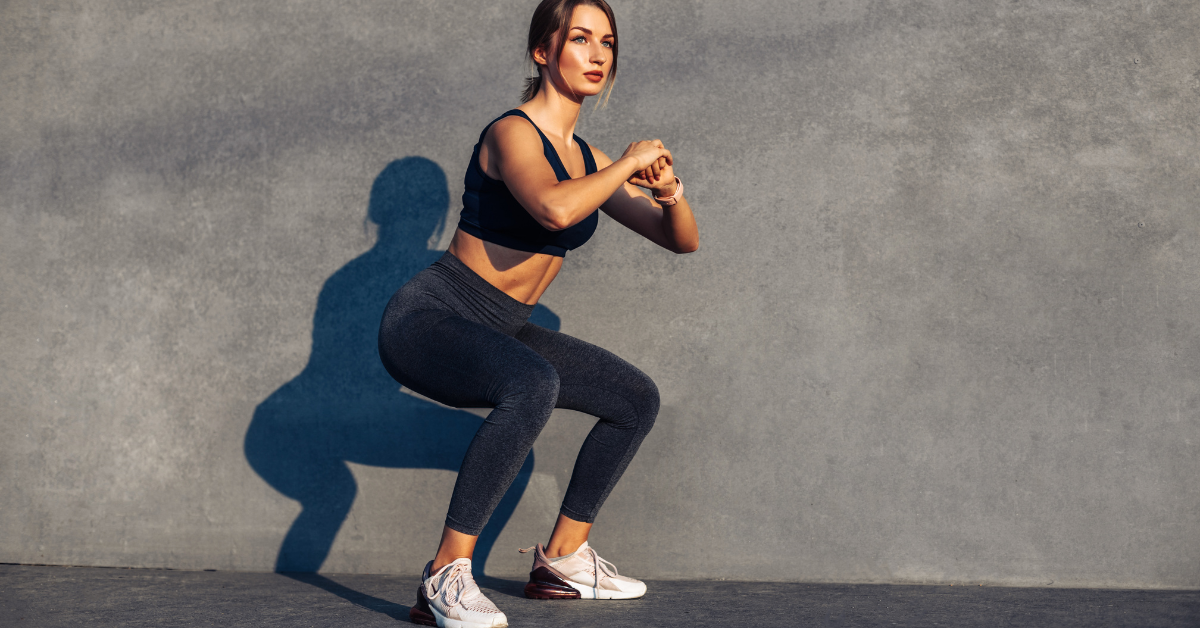
A legitimate weight loss program in Singapore prioritizes sustainable fat loss over rapid scale dehydration, combining progressive strength training, metabolic preservation, and realistic local nutrition. In Singapore, successful programs account for high-stress corporate lifestyles and hawker center realities. Instead of crash dieting or generic cardio bootcamps, an effective program focuses on retaining lean muscle mass, optimizing resting metabolism, and engineering a modest, consistent caloric deficit. Expect 0.5 to 1 kilogram of fat loss per week through structured progressive overload, targeted protein intake, and customized lifestyle adjustments designed for lifelong retention.
Key Takeaways:
- ✔Sustainable fat loss requires preserving muscle mass through progressive strength training rather than relying solely on cardio.
- ✔Crash diets cause rapid rebound weight gain by lowering basal metabolic rate and stripping lean tissue.
- ✔Navigating Singapore hawker fare effectively using strategic protein and fiber selections supports steady results without extreme deprivation.
- ✔A structured 12-week customized coaching intervention realistically yields 6 to 12 kilograms of true body composition improvement.
The Reality of Weight Loss in Singapore: Beyond the Crash Diet Trap
Choosing a reliable weight loss program in Singapore often feels overwhelming. Between extreme juice cleanses, starvation detox protocols, and aggressive 30-day bootcamps, the local fitness market is saturated with rapid-fix promises. However, the physiology of human metabolism does not reward shortcuts. When you drastically slash calories or spend hours on an elliptical without resistance training, your body adapts to survive. It slows down thyroid output, reduces spontaneous physical activity, and cannibalizes metabolically active skeletal muscle.
At Body Thrive, our focus is evidence-based weight loss coaching that reshapes your physique while safeguarding your health. True transformation is not about seeing a lower number on the bathroom scale tomorrow morning. It is about sustainable fat loss, visceral fat reduction, and positive body composition changes that last for decades.
What Is the Difference Between Fat Loss and Weight Loss?
Most commercial programs market weight loss when they should be educating clients on fat loss. Understanding the distinction is the foundation of sustainable health:
- Weight Loss: Refers to a reduction in total body mass, which includes water, glycogen stores, skeletal muscle, and adipose tissue. Rapid drops on the scale during early crash dieting typically indicate water depletion and loss of lean muscle.
- Fat Loss: Refers specifically to the reduction of stored adipose tissue (subcutaneous and visceral fat) while preserving or increasing muscle mass. This improves insulin sensitivity, increases physical strength, and keeps resting metabolic rate elevated.
When you lose muscle mass, your daily caloric expenditure drops. This metabolic slowdown explains why individuals who follow extreme diets almost always regain the weight, often ending up with higher body fat percentages than when they started.
The Body Thrive Approach to Sustainable Fat Loss
Our studio at Sultan Plaza (100 Jalan Sultan #03-10, near Bugis and Beach Road) serves working professionals across Tanjong Pagar, Marina Bay, Kallang, and Tanjong Rhu, as well as private clients in Marine Parade and the East Coast. We do not use cookie-cutter routines. Every plan is customized around three foundational scientific pillars.
1. Progressive Strength Training Over Excessive Cardio
Resistance training sends a clear biological signal to your body: keep the muscle, burn the fat. By lifting weights with progressive overload two to three times per week, you protect functional muscle mass during a caloric deficit. Cardiovascular work is used as a supplementary tool for cardiorespiratory health, not as a punishment for eating.
2. Localized Nutrition Without Isolation
You do not need to subsist on plain chicken breast and boiled broccoli to drop body fat in Singapore. Real life involves business lunches in Tanjong Pagar, dinner with family at East Coast Lagoon Food Village, and quick lunches at local food centers. We teach clients how to build meals around lean protein and fiber at hawker stalls, such as ordering Economic Rice (Cai Fan) with two vegetable portions and steamed fish or chicken, or choosing sliced fish soup with brown rice. Check your baseline requirements using our free energy expenditure calculators at BodyThrive Tools.
3. Recovery and Stress Management
Singapore's corporate culture often means long hours, poor sleep hygiene, and elevated cortisol. Chronic stress impairs fat oxidation and triggers intense cravings for hyper-palatable, calorie-dense foods. A complete coaching framework addresses sleep consistency and daily non-exercise physical activity (NEAT), such as taking the MRT stairs or accumulating brisk daily walking steps.
"Sustainable fat loss is never about starving yourself thin or running yourself into joint pain. It is about applying progressive overload to signal muscle retention while establishing a manageable caloric deficit that respects your real-world daily demands."
- Coach Sharm (Hisham Musa, MSc Exercise & Sports Science), Founder of BodyThrive Singapore
Comparing Weight Loss Approaches in Singapore
The table below summarizes common methods people choose when trying to get results in Singapore.
| Approach | Primary Mechanism | Impact on Muscle Mass | Long-Term Sustainability |
|---|---|---|---|
| Extreme Crash Diets / Teas | Severe caloric starvation & water loss | High muscle loss | Very poor (rebound likely) |
| Cardio-Only Bootcamps | High acute energy expenditure | Minimal retention | Moderate to low |
| Evidence-Based Personal Training | Progressive resistance training + controlled deficit | Maintains or increases muscle | High (lifestyle integration) |
How Much Weight Can You Lose in 12 Weeks with a Personal Trainer?
A safe, evidence-based rate of fat loss is between 0.5% and 1% of your total body weight per week. For someone weighing 80 kilograms, this equates to roughly 0.4 to 0.8 kilograms of fat loss each week. Over a structured 12-week program, a realistic and healthy expectation is a loss of 5 to 10 kilograms of fat mass.
When combined with proper strength training, your scale weight might drop slightly slower because you are simultaneously building firm, functional muscle tissue. This recomp process improves posture, tightens your waistline, and dramatically enhances your metabolic profile. Working closely with an experienced personal trainer ensures you stay on track, execute exercises safely, and navigate roadblocks without sacrificing your health.
Take the First Step at Body Thrive
Whether you train at our fully equipped private studio in Sultan Plaza (conveniently accessible via Bugis and Nicoll Highway MRT) or arrange private cluster sessions around Marine Parade and Tanjong Rhu, Coach Sharm provides the high-level expertise needed to transform your physical health permanently. Stop spinning your wheels with quick fixes. Book your trial session today and experience structured, science-backed personal training designed around your life.
Frequently Asked Questions
How much weight can you lose in 12 weeks with a personal trainer?
With a structured 12-week evidence-based program, you can realistically expect to lose 5 to 10 kilograms of body fat. Because proper personal training combines resistance exercise with nutrition, you preserve lean muscle, meaning you may drop multiple clothing sizes even if the scale moves at a moderate, sustainable pace of 0.5 to 1 kilogram per week.
What is the difference between fat loss and weight loss?
Weight loss refers to any reduction in overall body mass, including water, stored glycogen, and lean muscle tissue. Fat loss focuses exclusively on reducing subcutaneous and visceral adipose tissue while keeping muscle mass intact. Preserving muscle keeps your metabolism high and prevents the rapid weight regain common with crash diets.
Can I lose weight while eating hawker food in Singapore?
Yes. You do not need to avoid hawker centers to see consistent results. Strategic ordering, such as selecting chicken rice with breast meat and extra cucumbers, choosing sliced fish soup without evaporated milk, or opting for economy rice with lean protein and two vegetable portions, allows you to maintain a manageable caloric deficit while hitting your daily nutrient targets.
Ready to Transform Your Strength & Energy?
Experience personalized coaching at our private Bugis / Beach Road studio, or bespoke Marine Parade private sessions. Book your 1-on-1 trial session today. Private studio near Bugis, Beach Road & Arab Street (minutes from Tanjong Rhu & Kallang), plus bespoke Marine Parade private cluster coaching.