Valsalva Maneuver and Core Bracing: How Proper Intra-Abdominal Pressure Protects the Spine

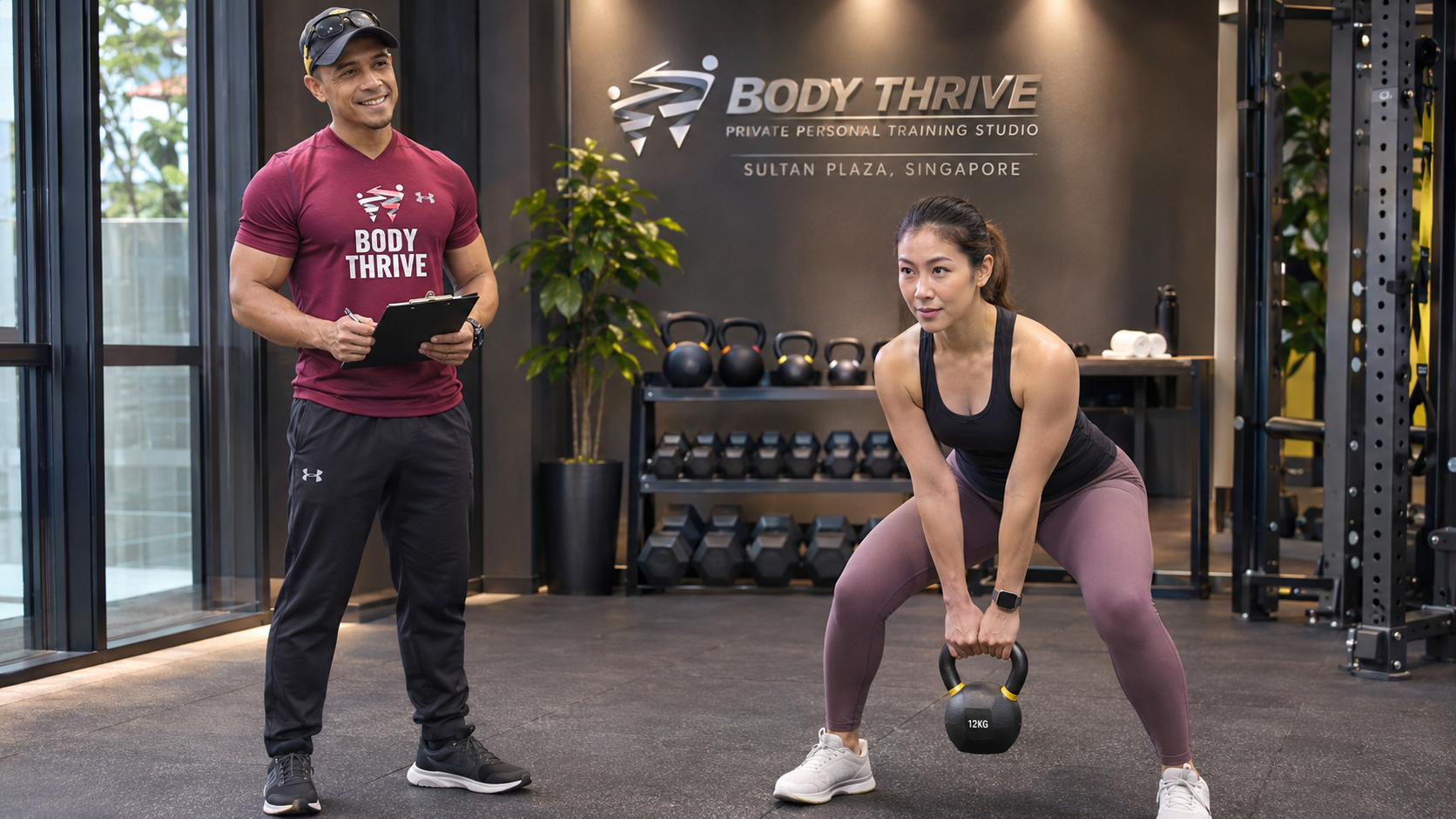
To breathe into the diaphragm and brace against a lifting belt during maximum effort sets, stand tall and take a deep diaphragmatic breath into your lower abdomen rather than your chest. Fill your entire 360-degree abdominal cylinder, expanding outward into your front abs, obliques, and lower back. Once filled, close your glottis and contract your abdominal wall outward firmly against the lifting belt as if anticipating a punch. Maintain this pressurized intra-abdominal seal throughout the eccentric and sticking phases of the lift, exhaling slowly past the rep completion.
Key Takeaways:
- ✔Intra-abdominal pressure acts as an internal hydraulic cylinder that stabilizes the lumbar spine under heavy loads.
- ✔Diaphragmatic expansion must be 360 degrees, filling the anterior wall, obliques, and posterior spinal erectors.
- ✔A lifting belt provides an external boundary to press against, amplifying core stiffness rather than replacing it.
- ✔Adults 45 and older require disciplined breathing control to prevent unnecessary vascular spikes while safeguarding spinal discs.
The Biomechanics of Intra-Abdominal Pressure (IAP)
Lifting heavy resistance safely requires more than raw muscular force. The human spine is an articulating column of vertebrae separated by fibrocartilaginous discs. Under heavy axial loading, such as during a heavy barbell squat or deadlift, the spine depends on the surrounding musculature to maintain a neutral alignment. This rigid support system is created by intra-abdominal pressure (IAP).
When you master the valsalva maneuver core bracing technique, your diaphragm contracts downward into the abdominal cavity. Working in synergy with the transverse abdominis, internal and external obliques, pelvic floor, and multifidus, this downward compression turns the torso into a stiff, pressurized cylinder. This hydraulic effect dramatically reduces compressive strain on the lumbar vertebrae and neutralizes shear stress on the intervertebral discs. For specialized women's strength and metabolic conditioning, discover our female personal training in Singapore.
"True spinal protection does not come from pulling your navel toward your spine. It demands a pressurized, 360-degree outward expansion against a closed glottis that locks the lumbar segment into an unyielding biomechanical pillar."
- Coach Sharm (Hisham Musa, MSc Exercise & Sports Science), Founder of BodyThrive Singapore
Step-by-Step: Executing the 360-Degree Diaphragmatic Brace
Many lifters mistakenly breathe into their upper chest, causing the shoulders to elevate and leaving the core unstable. Follow this systematic approach before initiating any heavy compound movement:
- Step 1: Set the Pelvis and Ribcage. Align your ribcage directly over your pelvis. Avoid excessive anterior pelvic tilt or flared ribs, which break the natural cylindrical seal of the core.
- Step 2: Deep Diaphragmatic Inhalation. Inhale deeply through your nose and mouth, visualizing air travelling down into your pelvis and expanding your waistline in all directions: front, sides, and lower back.
- Step 3: Close the Glottis. Shut the airway at the vocal cords. Do not let air escape into your mouth or puff out your cheeks.
- Step 4: Contract and Brace Outward. Tighten your entire midsection forcefully, pushing outward into your lifting belt. Maintain this rigid state through the eccentric descent and out of the bottom position.
- Step 5: Controlled Exhalation. Exhale steadily through pursed lips only after you cross the mechanical sticking point of the rep.
Comparing Bracing Techniques: True Bracing vs Hollow Abdominals
Understanding the distinction between modern biomechanical bracing and outdated abdominal hollowing prevents severe lifting injuries.
| Feature | Valsalva Maneuver Core Bracing | Abdominal Hollowing (Drawing-In) |
|---|---|---|
| Primary Action | 360-degree outward expansion and muscular co-contraction | Drawing the navel inward toward the lumbar spine |
| Spinal Stability | Maximum lumbar stiffness and high shear reduction | Low structural support under heavy spinal loads |
| Lifting Belt Interaction | Direct outward mechanical feedback against the leather | Pulls midsection away from the belt, eliminating its function |
| Best Use Case | Heavy compound strength training (squats, deadlifts, presses) | Early-stage clinical motor control rehabilitation |
How a Lifting Belt Enhances Intra-Abdominal Pressure
A weightlifting belt does not support the spine directly; it does not act like a medical back brace. Instead, it serves as an external, inelastic wall for the abdominal muscles to push against. By providing proprioceptive feedback and a firm boundary, the belt allows the abdominal wall to generate significantly higher isometric force, increasing overall intra-abdominal pressure by up to 20 to 40 percent.
For optimal results, position the belt firmly across the navel or slightly higher depending on your torso length. Ensure it is snug enough that you can still take a full 360-degree diaphragmatic breath without feeling restricted before the brace begins.
Real-World Application for Singapore Professionals and Adults 45+
Many clients visiting our private training studio at Sultan Plaza (100 Jalan Sultan, near Bugis and Beach Road) spend long hours seated at workstations in Tanjong Pagar or Marina Bay. Prolonged sitting tightens the hip flexors and leads to poor breathing patterns, where individuals default to shallow chest breathing.
When working with adults over 45, rebuilding proper diaphragmatic expansion is essential before introducing heavy barbell loads. Pair your structured strength program with proper nutritional fuel, such as opting for steamed chicken rice with extra cucumber or choosing two protein portions with minimal oil at local Cai Fan stalls. To check your daily caloric and macronutrient targets, explore the helpful resources in our BodyThrive fitness tools.
Frequently Asked Questions
Is the Valsalva maneuver safe for older adults or individuals with high blood pressure?
The Valsalva maneuver temporarily spikes blood pressure during the exertion phase. For individuals with unmanaged hypertension or cardiovascular concerns, a modified technique using continuous exhalation through pursed lips under load is recommended instead of a fully closed glottis.
How tight should a weightlifting belt be for proper core bracing?
Your belt should be tight enough to feel immediate tactile contact, but loose enough to allow a full diaphragmatic inhale into your stomach. A practical guideline is having enough space to slide your flat hand between the belt and your abdomen before bracing.
Why do some lifters feel lightheaded when performing the Valsalva maneuver?
Lightheadedness occurs when excessive intra-thoracic pressure impedes venous return to the heart, followed by a sudden drop in blood pressure when exhaling abruptly. To prevent this, do not hyperventilate before your set and avoid holding the breath longer than necessary for a single rep.
Ready to Transform Your Strength & Energy?
Experience personalized coaching at our private Bugis / Beach Road studio, or bespoke Marine Parade private sessions. Book your 1-on-1 trial session today. Private studio near Bugis, Beach Road & Arab Street (5 mins from Tanjong Rhu), plus Hotel, Condo & Private Cluster Training in Marine Parade.