RPE vs Percentage-Based Training: How to Auto-Regulate Workouts When Fatigue Hits

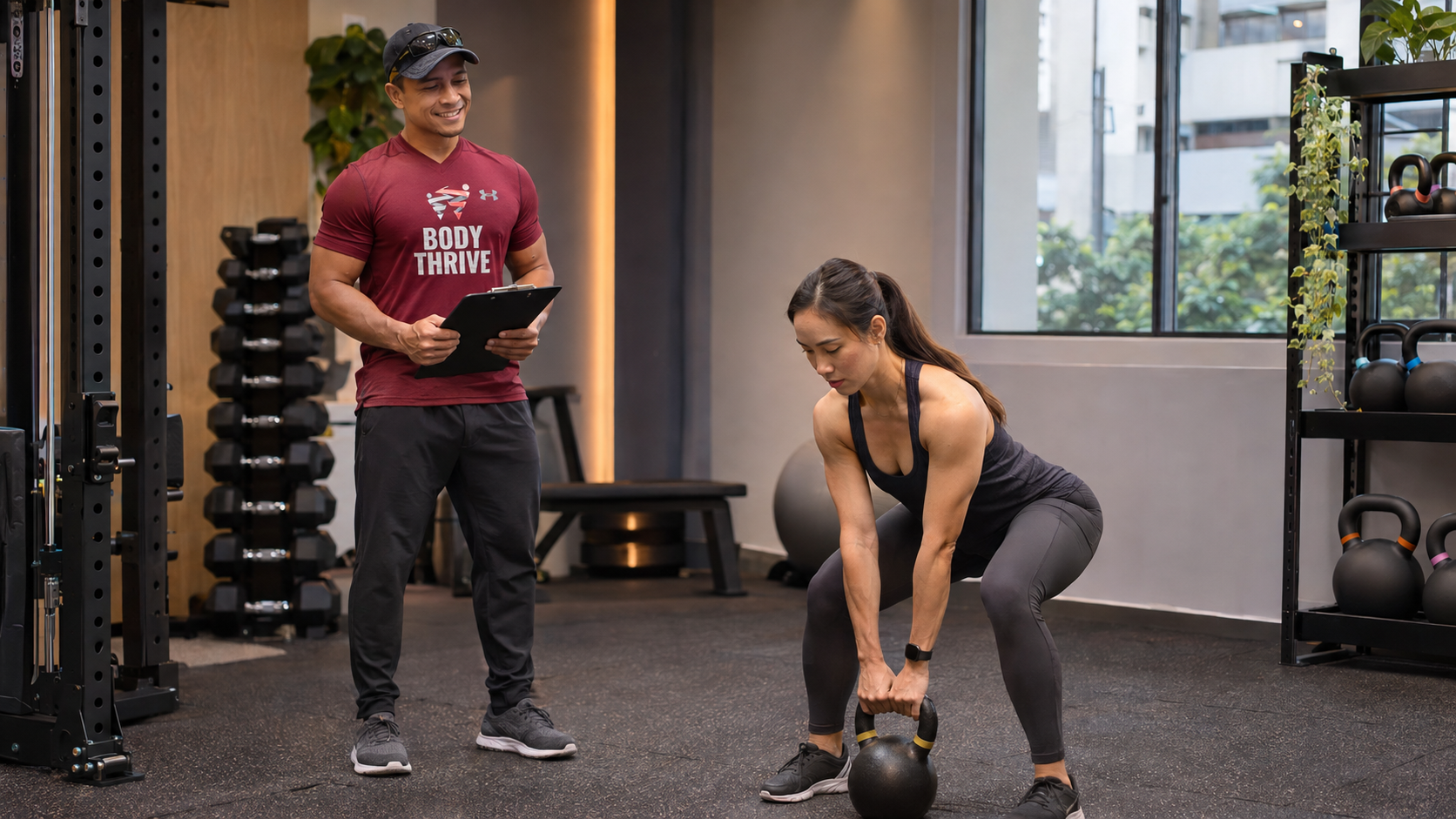
Personal trainers use the Rate of Perceived Exertion (RPE) to manage nervous system recovery by dynamically adjusting barbell load and training volume to match daily physiological readiness. Rather than forcing rigid loads from a pre-determined 1RM one rep max, RPE and Reps in Reserve (RIR) calibrate training intensity against central nervous system fatigue, cumulative sleep deficits, and workplace stress. When neuromuscular fatigue reduces motor unit recruitment and bar velocity, an auto regulation framework automatically lowers the absolute weight while preserving the intended training stimulus, preventing overreaching, chronic fatigue, and joint strain.
Key Takeaways:
- ✔Auto regulation allows lifters to adjust loads dynamically based on daily central nervous system readiness.
- ✔Percentage based training assumes peak baseline recovery, making it vulnerable to daily stressors like poor sleep or long work hours.
- ✔Pairing RPE with Reps in Reserve (RIR) maintains progressive overload without risking neuromuscular burnout.
- ✔Applying RPE helps Singapore professionals balance rigorous strength training with intense workplace schedules and lifestyle stress.
Understanding Auto-Regulation in Modern Strength Training
Personal trainers use the rate of perceived exertion to monitor real-time neuro-muscular fatigue and protect the central nervous system from systemic burnout. Traditional percentage based training calculates working loads strictly from a static 1rm one rep max tested weeks or months prior. While structured, this rigid approach ignores daily biological fluctuation. Poor sleep, long working hours in Tanjong Pagar or Marina Bay, and cumulative life stress reduce force production and nervous system capacity.
By implementing an rpe scale in strength training, coaches introduce systematic auto regulation into programming. Using a 1 to 10 scale rooted in reps in reserve rir, an athlete selects weights that reflect real-time physical capacity on that specific day. If systemic fatigue sets in, the absolute barbell weight drops to match the target intensity, ensuring consistent fatigue management while preserving joint integrity.
RPE vs Percentage-Based Training: A Direct Comparison
Both loading methodologies serve distinct purposes in athletic development. However, selecting the right strategy depends on your training age, recovery capabilities, and daily schedule predictability.
| Training Variable | Percentage Based Training | RPE & Auto Regulation |
|---|---|---|
| Load Selection | Fixed mathematical percentage of previous 1RM | Dynamic daily loading based on physical readiness |
| Fatigue Sensitivity | Blind to sleep loss, workplace stress, and illness | Directly reflects acute central nervous fatigue |
| Injury Risk on Bad Days | High, as lifter often forces prescribed weights | Low, as volume or load scales down automatically |
| Application Ideal For | Peaking cycles with predictable lifestyle variables | Busy working adults and long-term sustainable lifting |
Translating RPE and Reps in Reserve on the Gym Floor
The modern rpe scale bridges subjective perception with objective performance metrics. In standard resistance training, the numeric values correspond directly to remaining repetitions before reaching momentary muscular failure:
- RPE 10: Maximum effort. Zero reps left in reserve (0 RIR).
- RPE 9: Extremely heavy. Exactly 1 rep left in reserve (1 RIR).
- RPE 8: Moderately heavy. Exactly 2 reps left in reserve (2 RIR). Typical sweet spot for hypertrophic strength.
- RPE 7: Vigorous load. 3 reps left in reserve (3 RIR). Often used for speed, technique refinement, or deloads.
By using the rpe scale for resistance training, athletes can calibrate compound movements such as barbell squats and deadlifts without guessing. To estimate your performance baselines or verify training metrics, you can reference our interactive tools at BodyThrive Tools.
"True progressive overload is not about forcing a fixed number on a barbell when your nervous system is depleted. True progress comes from delivering the precise mechanical stimulus your body can absorb, adapt to, and recover from without compromising movement quality."
- Coach Sharm (Hisham Musa, MSc Exercise & Sports Science), Founder of BodyThrive Singapore
Managing Fatigue in High-Stress Environments
For urban professionals training in Singapore, fatigue management is essential. Rushing to a training session after long meetings in the central business district or commuting along the Downtown and East Coast lines places an invisible load on the sympathetic nervous system. Ingesting quick hawker meals such as economic rice (Cai Fan) or steamed chicken rice requires thoughtful dietary choices, yet systemic stress remains an unavoidable variable.
When you arrive at our private personal training studio at 100 Jalan Sultan #03-10 (conveniently accessible from Bugis, Beach Road, Arab Street, Tanjong Rhu, and Kallang) or work with our private cluster trainers in Marine Parade and the East Coast, our coaches do not force pre-written spreadsheets onto an exhausted body. Instead, we use RPE to protect your biomechanics, ensuring consistent progressive overload while safeguarding long-term joint health.
How to Implement Auto-Regulation Safely
- Warm-Up Feedback: Assess bar speed and movement smoothness during progressive warm-up sets. If standard warm-up weights feel noticeably sluggish, plan for a modest reduction in top sets.
- Honest RIR Tracking: Avoid underestimating or overestimating effort. Novices often mistake initial cardiovascular burning for muscular failure; working with an experienced coach calibrates accurate RIR estimation.
- Combine Approaches: Use percentage guidelines as loose reference targets, but use RPE as the authoritative governor to determine working weight.
Frequently Asked Questions
What is the difference between RPE and RIR in strength training?
RPE (Rate of Perceived Exertion) measures perceived intensity on a 1-10 scale, while RIR (Reps in Reserve) counts how many additional repetitions you could have performed before technical muscular failure. An RPE 8 directly equates to 2 RIR.
Can beginners use the RPE scale effectively?
Beginners can use RPE, but they often require several weeks of supervised coaching to calibrate subjective effort accurately. Without baseline experience near failure, beginners may misjudge true muscular reserves.
How does auto regulation prevent overtraining?
Auto regulation prevents overtraining by reducing load or volume on days when fatigue, stress, or poor sleep reduces recovery capacity, ensuring the nervous system is never pushed past its adaptive reserve.
Ready to Transform Your Strength & Energy?
Experience personalized coaching at our private Bugis / Beach Road studio, or bespoke Marine Parade private sessions. Book your 1-on-1 trial session today. Private studio near Bugis, Beach Road & Arab Street (5 mins from Tanjong Rhu), plus Hotel, Condo & Private Cluster Training in Marine Parade.