Relieving Menopausal Joint Aches: How Resistance Training Restores Connective Tissue

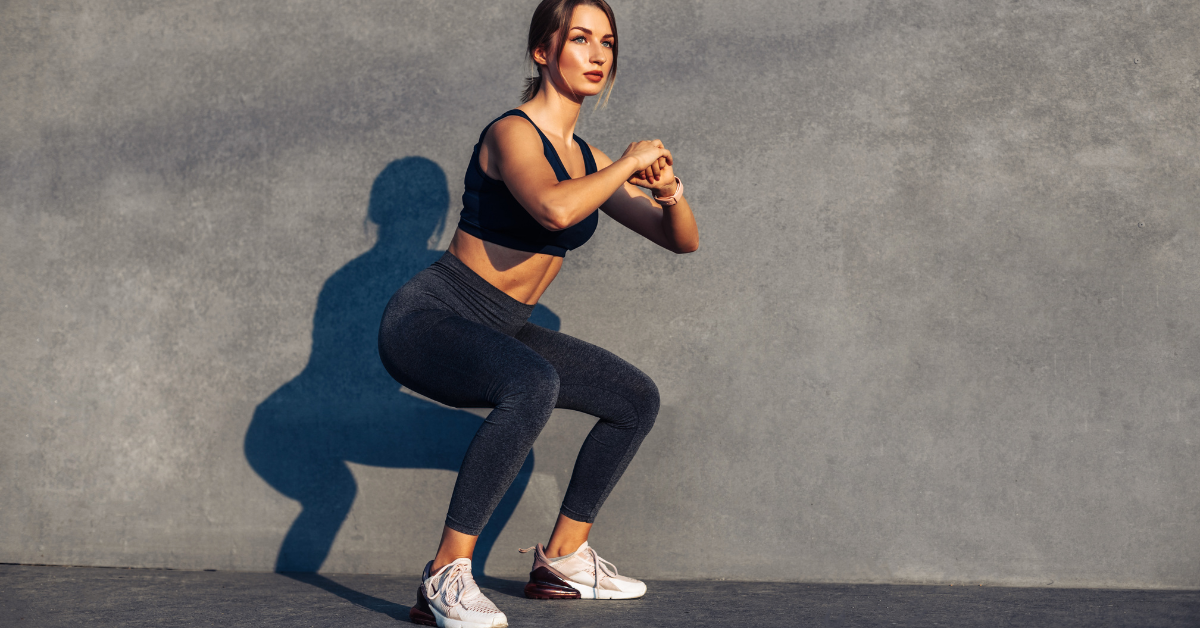
Declining estrogen triggers joint inflammation because estrogen naturally regulates inflammatory cytokines and protects collagen synthesis within cartilage, tendons, and ligaments. When circulating estrogen drops during perimenopause and menopause, connective tissues lose hydration and cellular elasticity, leading to systemic stiffness, synovial thinning, and heightened joint discomfort. Controlled, load-bearing movement alleviates stiffness by driving synovial fluid circulation, stimulating tenocytes and chondrocytes to rebuild collagen matrices, and strengthening surrounding musculature to offload mechanical stress from vulnerable joint capsules. At BodyThrive Singapore near Bugis and Beach Road (100 Jalan Sultan #03-10), Coach Sharm (MSc Exercise & Sports Science) integrates structured progressive overload, joint-safe biomechanics, and personalized nutrition planning to guarantee measurable, sustainable strength milestones.
Key Takeaways:
- ✔Estrogen withdrawal reduces collagen synthesis and cartilage hydration, accelerating joint friction and systemic stiffness.
- ✔Progressive overload through load-bearing movement circulates synovial fluid and promotes connective tissue remodeling.
- ✔Resistance training effectively offloads mechanical stress from hips, knees, and spinal joints while preventing osteopenia.
- ✔Targeted, cortisol-smart training paired with adequate dietary protein preserves lean muscle without spiking fatigue.
The Biological Link Between Declining Estrogen and Joint Stiffness
Joint pain is one of the most frequently misunderstood symptoms among women navigating perimenopause and menopause in Singapore. Many women over 40 notice sudden stiffness in their fingers, knees, shoulders, or hips when waking up in the morning. Often dismissed as normal aging, this physical discomfort stems directly from systemic hormonal changes.
Estrogen acts as a primary anti-inflammatory and tissue-protecting hormone throughout the female body. Synovial membranes, articular cartilage, ligaments, and tendons are packed with estrogen receptors. When estrogen levels decrease, connective tissues produce fewer proteoglycans. Proteoglycans are water-binding molecules that give cartilage its shock-absorbing cushion. Without adequate estrogen, collagen synthesis slows down, leading to drier, stiffer, and less resilient connective tissue. Concurrently, systemic pro-inflammatory cytokines such as TNF-alpha and interleukin-6 rise. This causes swelling, friction, and throbbing aches in daily movement.
Addressing these hormonal changes requires an evidence-based approach rather than stopping activity altogether. Resting too much accelerates muscle loss, reduces joint fluid circulation, and intensifies pain. The proven solution is targeted, progressive resistance training.
How Load-Bearing Movement Restores Connective Tissue
Unlike muscle tissue, articular cartilage and tendons possess very little direct blood supply. Cartilage relies on mechanical pressure to nourish its internal structure. When you perform controlled, load-bearing movements, joints compress and release in a rhythmic pump cycle. This mechanical action squeezes metabolic waste out of cartilage and pulls nutrient-rich synovial fluid in.
Progressive resistance training also signals cellular remodeling. Mechanical strain activates cellular mechanoreceptors known as integrins on tenocytes and chondrocytes. These cells respond by synthesizing fresh type-I and type-II collagen fibrils. Over consistent training blocks, the structural integrity of your tendons and joint capsules increases.
Furthermore, building surrounding skeletal muscle creates an organic shock absorber for your skeletal frame. Stronger glutes and quadriceps, for instance, absorb ground reaction forces that would otherwise strain an inflamed knee capsule during daily stair climbing at Bugis MRT or walking across Tanjong Pagar.
"Joint aches during menopause are not an instruction to stop moving; they are a clear physiological cue to change how you apply load. When we apply precise, pain-free isometric and compound strength training, we trigger collagen remodeling, pump fresh synovial fluid through dry articular cartilage, and rebuild the protective muscular brace around every vulnerable joint."
- Coach Sharm (Hisham Musa, MSc Exercise & Sports Science), Founder of BodyThrive Singapore
Comparing Movement Modalities for Menopausal Joint Health
Choosing the correct exercise modality determines whether your joints feel replenished or irritated. Below is an objective comparison of common physical activities and their biomechanical impact on menopausal connective tissue:
| Exercise Modality | Impact Profile | Connective Tissue Remodeling | Bone Density & Osteopenia Defense | Joint Safety Considerations |
|---|---|---|---|---|
| Progressive Resistance Training | Low to moderate joint impact; highly controllable | High; stimulates fibroblasts, tenocytes, and collagen synthesis | Exceptional; delivers direct axial and tensile skeletal loading | Safest when using customized joint angles and proper tempo |
| Distance Running / High-Impact Aerobics | High repetitive impact (2.5-3x bodyweight per stride) | Low; repetitive shear forces can aggravate inflamed cartilage | Moderate; stimulates lower extremities only | High risk of flare-ups if hip and knee stabilizers are weak |
| Swimming & Water Aerobics | Near-zero impact due to water buoyancy | Low; lacks sufficient compressive strain for tissue adaptation | Minimal; does not generate osteogenic mechanical load | Excellent for acute flare-ups; insufficient for long-term tissue rebuild |
| Mat Pilates & Gentle Yoga | Low impact bodyweight loading | Moderate; improves mobility and end-range control | Low to moderate; limited external progressive overload | Avoid extreme passive stretching on hypermobile, unstable joints |
Essential Pillars of Menopausal Strength Training
To safely rebuild connective tissue without triggering systemic fatigue, your training must follow precise exercise science principles. For structured guidance, working with a qualified menopause joint pain relief exercise specialist ensures every movement respects your unique joint tolerances and hormonal profile.
1. Progressive Overload Without Joint Inflammation
Progressive overload does not mean lifting the heaviest weight possible. In the context of joint recovery, it means systematically improving mechanical efficiency, volume tolerance, and range of motion over time. We start with isometric holds (such as Spanish squats or wall sits) to calm tendon irritation. We then advance to slow eccentric loading (lowering for 3 to 4 seconds). This slow tempo stimulates collagen alignment without creating uncontrolled impact.
2. Protecting Bone Density and Preventing Osteopenia
Estrogen loss accelerates bone resorption, elevating the risk of osteopenia and osteoporosis in post-menopausal women. Bones require mechanical strain to activate osteoblasts, the specialized cells responsible for laying down new mineral matrix. Compound movements like Romanian deadlifts, goblet squats, and dumbbell chest presses apply direct axial and shear forces that stimulate bone mineral retention across the lumbar spine and femoral neck.
3. Cortisol-Smart Session Design
During perimenopause and menopause, resting cortisol levels often increase, while recovery capacity decreases. Long, exhausting cardio workouts elevate cortisol further, which can worsen systemic inflammation and accelerate lean muscle breakdown. A cortisol-smart training session lasts between 40 and 50 minutes. It emphasizes quality repetitions, complete rest periods, and controlled breathing to keep stress hormones balanced.
4. Preserving Pelvic Floor Integrity
Connective tissue degradation also affects the pelvic floor musculature and endopelvic fascia. Heavy lifting with incorrect breathing techniques, such as breath-holding through an aggressive Valsalva maneuver, can place excessive downward pressure on pelvic organs. Proper strength training for women integrates diaphragmatic breathing: exhaling on exertion while gently engaging the pelvic floor to distribute intra-abdominal pressure safely.
Metabolic Health: Visceral Fat Loss and Joint Stress
Joint pain in midlife is not solely mechanical; it is also metabolic. As estrogen declines, adipose tissue distribution shifts from subcutaneous depots (hips and thighs) to visceral depots around abdominal organs. Visceral fat actively secretes inflammatory molecules, including adipokines, which travel through the bloodstream and heighten inflammation in your joint capsules.
Moreover, every additional kilogram of body weight adds four kilograms of cumulative pressure across the knee joints with every step. Promoting visceral fat loss through lean muscle preservation reduces circulating inflammatory markers while reducing physical wear and tear on your cartilage. Tracking your physical adaptations and metabolic output is straightforward with our specialized BodyThrive fitness calculators.
Nutrition and Recovery in the Singapore Context
Exercise provides the mechanical stimulus, but recovery provides the raw materials to rebuild connective tissue. In Singapore, balancing your nutrition while dining out requires intentional choices.
Collagen synthesis requires adequate amino acids and vitamin C. Aim for 1.2 to 1.6 grams of protein per kilogram of body weight each day. When eating at local hawker centers in Bugis, Arab Street, or Marine Parade, prioritize protein-dense options:
- Economy Rice (Cai Fan): Request two portions of lean steamed chicken or stir-fried tofu, paired with stir-fried greens, minimizing heavy sodium-rich gravies.
- Chicken Rice: Choose steamed breast meat over roasted meat, ask for sliced cucumbers, and skip the oily chicken-fat rice in favor of plain white rice.
- Fish Soup: Order sliced fresh fish soup with double fish and extra chye sim or bitter gourd, avoiding deep-fried fish and evaporated milk broth.
Hydration is equally critical in our humid tropical climate. Dehydration reduces the fluid content of synovial capsules within hours, aggravating joint friction during your evening commute.
Coaching Support in Singapore: Studio & Partner Network
Every woman's menopausal transition is biologically distinct. At BodyThrive Singapore, private personal training with Coach Sharm is conducted at our dedicated private studio at 100 Jalan Sultan (#03-10 Sultan Plaza), ideally positioned for clients traveling from Bugis, Beach Road, Kallang, and Tanjong Rhu. We also provide hotel, condo, and private cluster training throughout Marine Parade and the East Coast corridor.
For clients who prefer female-led instruction, BodyThrive provides trusted access to accredited female personal trainer partners. These independent female partners coach at their own preferred private facilities and gyms across the island. Each partner sets her individual schedule, rates, and training environment, which are confirmed prior to your first session. Please note that while Coach Sharm holds an MSc in Exercise and Sport Science and previously served as an NTU adjunct educator and HPB Master Trainer, partner trainers maintain their own independent professional credentials. The introductory studio trial session at Sultan Plaza applies specifically to Coach Sharm's private facility.
Whether your goal is post-menopausal vitality, joint-friendly exercise, or total body composition change, evidence-based strength training restores the strength and freedom of movement you deserve.
Frequently Asked Questions
What is the best exercise routine for perimenopausal women?
The most effective routine combines two to three days of progressive resistance training with daily low-impact walking and targeted mobility work. Resistance exercises should emphasize multi-joint compound patterns like squats, hip hinges, and rows using controlled tempos to build joint stability, stimulate collagen remodeling, and maintain lean muscle.
How does strength training prevent osteopenia and osteoporosis?
Resistance training applies controlled mechanical tension and compressive force to bones via contracting tendons. This mechanical strain stimulates osteoblast cells to deposit calcium and protein matrix into bone tissue, slowing age-related bone resorption and building mineral density in high-risk areas like the hips and spine.
Why does belly fat increase during menopause?
Declining estrogen levels alter fat storage receptors, causing the female body to shift adipose storage from subcutaneous areas (hips and thighs) to deep visceral depots around internal organs. Slower resting metabolic rates from age-related muscle loss and elevated cortisol levels further accelerate visceral fat accumulation.
Ready to Transform Your Strength & Energy?
Experience personalized coaching at our private Bugis / Beach Road studio, or bespoke Marine Parade private sessions. Book your 1-on-1 trial session today. Coach Sharm trains at the private Sultan Plaza studio in Bugis; female partner trainers may work at suitable gyms or their own studios. Confirm venue, coach and rates before booking.