Rehab Personal Trainer Singapore: Post-Physio Strength

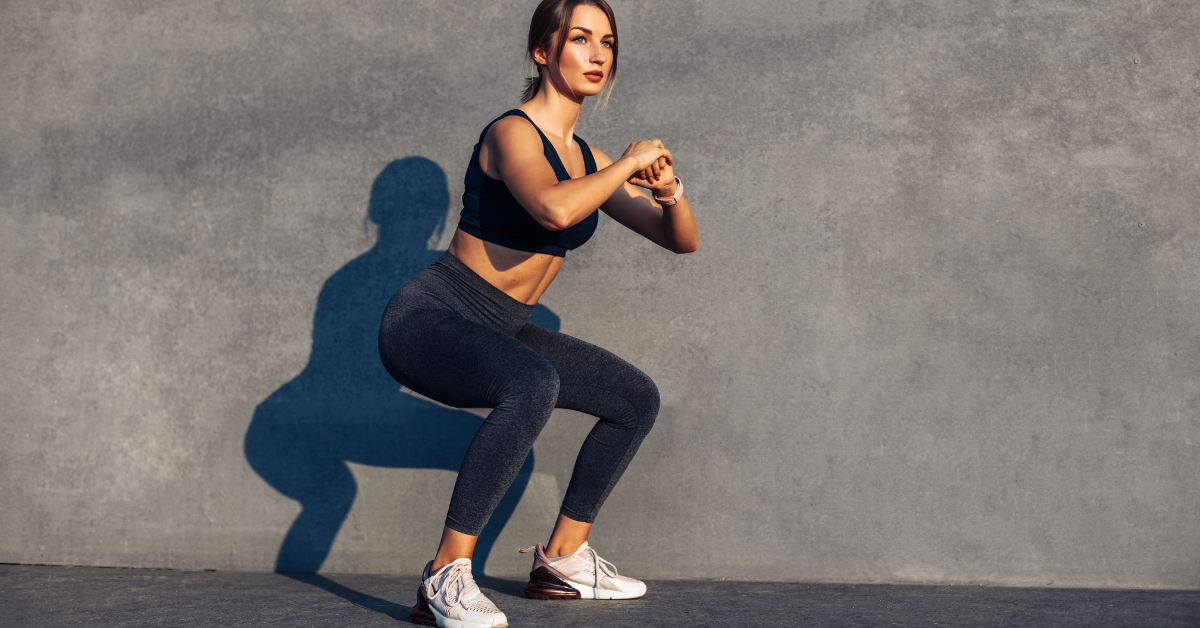
Post-physiotherapy strength training bridges clinical discharge and confident lifting for adults over 45 in Singapore by restoring tissue capacity through structured progressive overload. Clinical physiotherapy successfully eliminates acute pain and restores baseline range of motion, but it rarely builds the high-threshold joint stability, tendon stiffness, and multi-planar strength needed for daily life or heavy gym training. Guided by an exercise scientist using precise movement assessment protocols, post-rehab coaching systematically addresses unilateral asymmetries, corrects faulty biomechanics, and safely reconditions spinal, knee, and shoulder complexes for long-term resilience.
Key Takeaways:
- ✔Clinical discharge means acute symptoms have settled, not that joint tissues are conditioned for heavy loading.
- ✔A qualified rehab personal trainer uses objective movement screens to identify lingering unilateral asymmetries before adding weight.
- ✔Graded progressive overload rebuilds tendon capacity and joint stability without triggering chronic inflammation.
- ✔Targeted post-rehab coaching prevents common flare-ups in the lower back (L4-L5/L5-S1), knees, and shoulders.
The Critical Gap Between Physiotherapy Discharge and the Gym Floor
In Singapore, clinical physiotherapy delivers exceptional acute care. When you suffer an acute lumbar disc herniation (such as L4-L5 or L5-S1), a knee meniscus tear, or a painful shoulder impingement, your physiotherapist helps reduce inflammation, restore essential range of motion, and bring daily pain levels down to zero. However, medical insurance or hospital rehabilitation pathways routinely discharge patients once baseline daily functions like walking or sitting are pain-free. This creates an unaddressed fitness gap for adults over 45.
Being cleared of clinical pathology does not mean your musculoskeletal system is prepared for high-demand tasks. Lifting a heavy grocery haul from the supermarket, carrying luggage down an MRT staircase, or returning to loaded barbell deadlifts demands tendon stiffness, muscular force production, and neuromuscular control. Returning straight to unsupervised commercial gym workouts without a bridge frequently causes acute flare-ups. This is where working with a specialized post-rehab injury-safe personal training in Singapore specialist makes the difference.
"Clinical discharge simply means the acute fire has been put out. True musculoskeletal recovery begins when we apply precise biomechanics and graded mechanical tension to rebuild tissue tolerance so your spine and joints never break down under load again."
- Coach Sharm (Hisham Musa, MSc Exercise & Sports Science), Founder of BodyThrive Singapore
Why Adults Over 45 Face Re-Injury Without Graded Return-to-Lifting
Age-related changes in connective tissues alter how the body tolerates physical stress. After 45, collagen synthesis slows down, muscle mass naturally declines (sarcopenia), and tendon structures become stiffer and slower to adapt to shear or compressive forces. When corporate professionals working in Tanjong Pagar or Marina Bay sit for 10 hours a day and then jump into intense weekend workouts, their tissues experience severe mechanical shock.
Common failure points include:
- Compensatory Movement Patterns: If an old knee injury limits dorsiflexion, the hip and lower back twist to compensate during squats or stair climbing.
- Sub-maximal Tendon Remodeling: Tendons require specific loading cadences (such as heavy slow resistance) to build tensile strength rather than rapid ballistic stress.
- Unilateral Imbalances: The injured limb often retains a significant strength deficit compared to the healthy limb, shifting uneven torque onto the pelvis and lumbar spine.
- Premature High-Intensity Loading: Loading compound lifts before establishing basic core intra-abdominal pressure leads to disc re-injury.
Clinical Physiotherapy vs. Post-Rehab Strength Coaching
Understanding the distinct roles of allied health professionals and specialized strength coaches ensures you receive optimal care at every stage of healing.
| Feature | Clinical Physiotherapy | Post-Rehab Personal Training |
|---|---|---|
| Primary Objective | Pain elimination and acute symptom resolution | Tissue capacity, hypertrophy, and functional strength |
| Movement Scope | Isolated range of motion and local activation drills | Multi-joint compound lifting and multi-planar stability |
| Loading Mechanism | Resistance bands, bodyweight, light dumbbells | Systematic progressive overload and periodized resistance |
| Assessment Tools | Clinical orthopedic tests and joint palpation | Biomechanical video analysis and movement screening |
| Long-term Outcome | Discharge to independent living | Resilience against re-injury and confident heavy lifting |
The BodyThrive System: Assessment, Biomechanics, and Progressive Overload
At BodyThrive Singapore, post-rehab coaching relies on rigorous exercise science rather than generic workout routines. Under the supervision of Coach Sharm, every client completes a comprehensive movement screen before a single barbell or cable stack is loaded.
1. Objective Movement Assessment
We screen for joint-by-joint mobility and stability. For shoulder impingement cases, we assess scapulohumeral rhythm and thoracic extension. For lower back and knee conditions, we analyze hip internal rotation, ankle mobility, and pelvic control under unilateral stance.
2. Restoring Joint Stability and Tendon Resilience
Early phases emphasize isometrics and heavy slow resistance (HSR). Isometric contractions create an analgesic effect in painful tendons while stimulating motor unit recruitment without joint irritation. We progressively introduce controlled tempo repetitions to remodel tendon matrix architecture.
3. Correcting Unilateral Deficits
Bilateral exercises like traditional barbell squats can mask dominant side compensation. We prioritize unilateral variations, including split squats, single-leg Romanian deadlifts, and single-arm cable presses, ensuring both limbs produce equal force symmetrically.
4. Graded Progressive Overload
Once movement patterns are mechanically clean, we apply controlled progressive overload. By managing total volume, rest intervals, and load progression, the musculoskeletal system adapts steadily without triggering chronic inflammation.
For individuals looking for comprehensive athletic development alongside injury prevention, explore our structured personal training options designed to support lifelong physical longevity.
Targeted Protocols for Complex Joint Rehab
Lower Back Pain: L4-L5 and L5-S1 Disc Protection
Lumbar spine issues require strict spinal neutrality. We coach intra-abdominal bracing to create 360-degree core stiffness before loading the hips. Hip hinge patterns replace spinal flexion movements, teaching your glutes and hamstrings to absorb force instead of your lower back vertebrae.
Knee Joint Restoration: Patellofemoral and Meniscal Recovery
Healthy knees require balanced quad and hamstring co-contraction, along with strong hip abductors. We utilize terminal knee extensions, backward sled drags, and elevated split squats to stimulate patellar tendon remodeling and synovial fluid circulation without excessive shear force.
Shoulder Impingement and Rotator Cuff Conditioning
Subacromial impingement occurs when rotator cuff tendons become compressed under the acromion during overhead movement. We restore serratus anterior upward rotation, build lower trapezius strength, and progressively reintroduce overhead pressing through pain-free movement planes.
Grounded in Singapore: Lifestyle, Nutrition, and Accessibility
Recovery does not happen in a vacuum. It happens within the rhythms of daily Singapore life. Our private studio at Sultan Plaza (100 Jalan Sultan #03-10) is nestled right near Bugis, Beach Road, and Arab Street, offering seamless accessibility via Bugis and Nicoll Highway MRT stations for clients traveling from Kallang, Tanjong Rhu, or the Central Business District.
For clients residing in Marine Parade and along the East Coast, bespoke private cluster and condo training brings clinical-grade strength coaching directly to your doorstep. We also guide our clients through everyday nutritional choices. Rebuilding muscle tissue and connective tendons requires adequate daily protein. Whether ordering Cai Fan with steamed fish and tofu or lean roasted chicken breast rice with less oil, our clients receive actionable guidance on balancing protein intake and managing energy levels. You can also monitor your baseline energy output and macronutrient targets directly using the tools available at https://www.bodythrive.co/tools/.
Frequently Asked Questions
What happens after physiotherapy discharge when you return to the gym?
After physiotherapy discharge, your acute pain is gone but your tendons, ligaments, and stabilizing muscles lack the strength to tolerate heavy gym loading. Returning straight to standard gym routines without a structured transition often causes compensations and re-injury. A qualified rehab personal trainer rebuilds your movement quality, unilateral symmetry, and tissue tolerance through gradual progressive overload.
How does a rehab personal trainer coordinate with your physiotherapist or orthopaedic doctor?
A qualified rehab coach reviews your clinical discharge notes, MRI findings, and movement restrictions. When necessary, the coach liaises directly with your physiotherapist or doctor to ensure prescribed contraindications are respected while systematically progressing your exercise program from clinical therapy to loaded gym exercises.
What movement assessments screen asymmetries before loading after injury?
Assessment protocols evaluate active range of motion, joint-by-joint mobility, scapulohumeral rhythm, and single-leg stability. Screens such as single-leg balance hinges, overhead thoracic mobility checks, and gait analysis uncover lingering weaknesses and compensatory patterns that must be corrected before adding significant resistance.
Ready to Transform Your Strength & Energy?
Experience personalized coaching at our private Bugis / Beach Road studio, or bespoke Marine Parade private sessions. Book your 1-on-1 trial session today. Private studio at Sultan Plaza #03-10 near Bugis, Nicoll Highway & Lavender MRT.