Personal Training Over 40 Singapore: Muscle & Joints
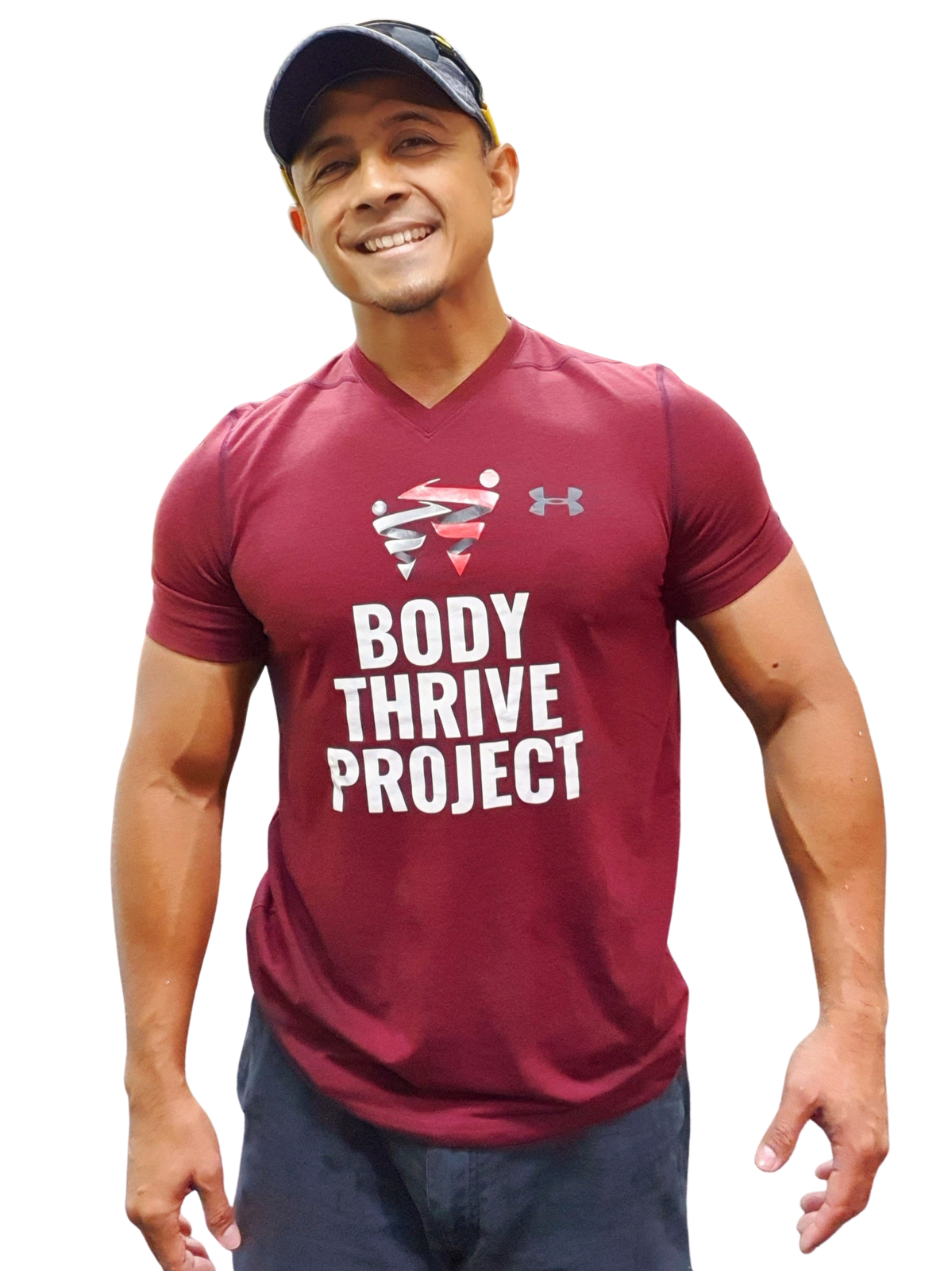

Working professionals over 40 should shift from punishing cardio to joint-friendly strength training because aging accelerates sarcopenia (involuntary muscle loss) and reduces connective tissue elasticity, while high-volume running or repetitive HIIT spikes cortisol and worsens chronic joint inflammation. Progressive, joint-safe resistance training preserves metabolically active lean tissue, restores insulin sensitivity, and reinforces joint integrity through controlled movement planes without aggravating worn cartilage. For corporate executives facing chronic work stress and sedentary desk hours, targeted strength work stimulates natural testosterone and growth hormone production without burning out systemic recovery, making it the most sustainable intervention for long-term body composition and metabolic resilience.
Key Takeaways:
- ✔Sarcopenia accelerates after age 40, meaning running and chronic cardio burn muscle instead of protecting joints.
- ✔Joint-safe progressive resistance training stimulates insulin sensitivity and resting metabolism without elevating stress hormones.
- ✔Strategic training volume (2 to 3 sessions of 45 minutes weekly) delivers peak executive vitality and avoids recovery bottlenecks.
- ✔Targeted hawker nutrition adjustments, such as double-protein Cai Fan, preserve lean mass while trimming visceral belly fat.
The Shift: Why Punishing Cardio Fails Working Professionals Over 40
For decades, busy professionals in Singapore believed that dripping with sweat after a 10km run along East Coast Park or surviving an exhausting spin class in Tanjong Pagar was the gold standard of fitness. However, once you cross age 40, your hormonal profile, tendon recovery rates, and metabolic mechanics undergo significant biological shifts. What worked in your late twenties often leads to chronic tendonitis, shoulder impingement, lower back stiffness, and stubborn visceral fat storage in midlife.
The biological reality is clear: after age 30, adults naturally lose 3% to 8% of their muscle mass per decade, a clinical process known as sarcopenia. By the time a corporate executive reaches 45, this muscle loss accelerates. Punishing cardiovascular training does very little to stimulate muscle protein synthesis. In fact, excessive endurance work paired with demanding 60-hour workweeks creates a catabolic environment that strips away lean muscle tissue, depresses resting metabolic rate, and spikes systemic cortisol levels.
To protect mobility and energy, the priority must pivot toward structured, joint-friendly resistance training. Controlled strength training places mechanical tension directly across targeted muscle fibres without grinding down articular cartilage. This builds dense contractile tissue, supports connective tendons, and enhances functional strength for daily life.
The Biology of Aging: Muscle, Tendons, and Hormones After 40
Can a 40 year old man get in great shape? Absolutely. However, achieving lasting results requires understanding how the physiological terrain actually changes with age. Many corporate leaders continue applying outdated training protocols, ignoring the structural realities of midlife biology.
As we age, collagen synthesis declines, making tendons stiffer and slower to heal from repetitive stress. Concurrently, synovial fluid production in load-bearing joints like knees, hips, and shoulders decreases. When you combine this natural reduction in cushioning with prolonged sitting in Marina Bay office towers, hip flexors tighten, glutes become dormant, and spinal discs experience continuous compression.
Hormonal shifts compound this challenge. Natural production of testosterone, growth hormone, and DHEA decreases gradually in men, while women experience perimenopausal and menopausal drops in estrogen and progesterone. High-impact exercise creates an excessive systemic recovery tax that older endocrine systems struggle to pay. Conversely, progressive resistance training triggers an adaptive hormonal response without draining systemic energy reserves.
"Exercise biomechanics after 40 is about matching mechanical tension to tissue tolerance. When we strip away ego lifting and train through stable, joint-friendly angles, we stimulate profound metabolic vitality and muscle hypertrophy without beating up the joints."
- Coach Sharm (Hisham Musa, MSc Exercise & Sports Science), Founder of BodyThrive Singapore
Comparing Modalities: High-Impact Cardio vs Joint-Safe Strength Training
To understand why progressive resistance coaching is superior for midlife longevity, consider how different exercise methods impact executive energy, joint longevity, and body composition:
| Training Modality | Impact on Joints | Muscle Mass Retention | Metabolic & Hormonal Impact | Executive Recovery Demands |
|---|---|---|---|---|
| Chronic Distance Running / High-Impact Cardio | High repetitive impact; frequent patellar tendonitis and plantar fasciitis. | Minimal to negative; risk of catabolic muscle breakdown. | Spikes cortisol; acute calorie burn without long-term resting metabolic increase. | High systemic fatigue; drains cognitive stamina needed for high-stakes work. |
| Standard High-Intensity Interval Training (HIIT) | High shear forces on knees and lumbar spine during fatigued ballistic moves. | Low to moderate; prioritizes glycolytic endurance over hypertrophic tension. | High adrenaline release; risks autonomic burnout when combined with work stress. | Prolonged central nervous system recovery required (48 to 72 hours). |
| Joint-Friendly Progressive Strength Training | Extremely low articular wear; strengthens periarticular muscles and bone density. | High; reverses sarcopenia and maximizes lean functional mass. | Improves GLUT-4 glucose uptake, elevates basal metabolic rate, balances hormones. | Manageable fatigue; leaves executives refreshed and energized for corporate life. |
The Executive Dilemma: Desk Posture and Sedentary Stiffness in Singapore
Working professionals across Raffles Place, Marina Bay, and Mapletree Business City spend upwards of 10 to 12 hours daily seated behind computer monitors, laptops, and mobile screens. This sedentary reality creates predictable postural dysfunctions: forward head carriage, protracted scapulae, compressed lumbar discs, and shortened hip flexors.
When a professional steps into a commercial gym and attempts heavy barbell bench presses or deep back squats without addressing these biomechanical limitations, acute injury frequently follows. Real longevity coaching begins with movement screening. By stabilizing the scapulothoracic joint, reactivating dormant gluteal musculature, and restoring thoracic extension, we prepare the body to handle load safely.
This structured pathway is why dedicated fitness coaching for men and executives over 40 focuses on joint-safe compound patterns rather than reckless high-load lifting. Exercises such as chest-supported dumbbell rows, trap-bar deadlifts, Bulgarian split squats with neutral spinal mechanics, and cable presses allow an executive to train to fatigue safely. You can measure your baseline metrics and daily energy balance using our free fitness calculators at BodyThrive Tools.
Designing the Ideal Workout Routine for Men and Adults Over 40
How often should a man over 40 lift weights? For busy executives managing regional corporate portfolios, training five to six days a week is neither realistic nor optimal. The sweet spot for progressive overload and full systemic recovery is two to three focused 45-minute sessions per week.
A 45-minute executive session follows a precise, scientifically validated framework:
- Tissue Preparation & Dynamic Mobilization (8 minutes): Focused work on ankle dorsiflexion, hip internal rotation, and thoracic spine mobility to lubricate joints and activate stabilizers.
- Primary Compound Movement (15 minutes): Biomechanically sound multi-joint exercises like the safety-bar squat or neutral-grip dumbbell press performed with controlled eccentrics (3 seconds down) to build maximum tension without explosive joint impact.
- Secondary Accessory supersets (15 minutes): Antagonistic pairings such as chest-supported rows paired with dumbbell Romanian deadlifts, targeting posture and structural balance.
- Metabolic & Core Finisher (7 minutes): Low-impact carries or sled pushes that elevate cardiovascular output without compressive spinal stress.
As you progress through your 40s and approach your 50s, tissue recovery demands continue to refine your programming. To understand how long-term resistance principles evolve into your sixth decade, review our comprehensive cluster guide on Fitness After 50.
Hawker Center Nutrition: Burning Visceral Fat Without Crash Dieting
What diet works best for men over 40 trying to lose belly fat? Middle-aged weight gain is primarily driven by declining muscle mass combined with insulin resistance. The solution is not extreme carbohydrate deprivation or severe caloric restriction, which crashes thyroid function and degrades muscle mass. Instead, the strategy revolves around dietary protein optimization and blood sugar stabilization.
In Singapore, executives frequently eat lunch near their offices in Shenton Way, Tanjong Pagar, or Bugis. You do not need to bring plastic containers of plain chicken breast to work. You can navigate any local food court or hawker center successfully by applying straightforward rules:
- Economy Rice (Cai Fan): Order two portions of lean protein (such as steamed chicken, braised tofu, or stir-fried lean pork slices) paired with two vegetable portions (like stir-fried spinach or chye sim). Request half-rice or replace white rice with extra tofu to manage glycemic impact.
- Chicken Rice: Choose steamed breast meat, skip the oily skin, ask for cucumber slices, and limit the flavored chicken rice to half a bowl, or enjoy it after your strength training session when muscle cells are primed for glycogen replenishment.
- Fish Soup: Opt for sliced fish soup (avoiding deep-fried fish and evaporated milk broth) with extra greens, tofu, and a clear broth.
Maintaining a consistent daily intake of 1.6 to 2.0 grams of protein per kilogram of body weight preserves metabolically active tissue while enabling your body to shed visceral belly fat.
Private Studio Coaching: Bugis, Beach Road, and Marine Parade
Executive longevity requires a calm, focused coaching environment. Navigating crowded commercial mega-gyms during peak evening hours creates unnecessary friction, wasted time, and improper supervision.
At BodyThrive Singapore, private personal training sessions are conducted in our fully equipped, low-distraction private personal training studio located at 100 Jalan Sultan #03-10, Sultan Plaza. Situated convenient to Bugis, Beach Road, Arab Street, Kallang, and Tanjong Rhu, it provides a quiet sanctuary where corporate leaders can focus entirely on movement quality and metabolic health.
For clients residing along the East Coast, bespoke private training is also delivered across hotel and condominium facilities in Marine Parade. Whether your objective is eliminating nagging shoulder stiffness, rebuilding back strength, or dropping visceral body fat, every movement is guided with clinical precision and exercise science rigor.
Managing Executive Stress and Recovery Architecture
In high-pressure corporate environments, mental stress directly impacts physical performance. Elevated cortisol from relentless board meetings and international travel impairs sleep architecture, blunts protein synthesis, and prompts visceral fat accumulation around the waistline.
When author Julian Brass explored the relationship between anxiety and peak performance, he highlighted how chronic mental tension manifests physically as muscular rigidity and autonomic nervous system fatigue. If your fitness program adds more physical exhaustion on top of existing mental strain, systemic burnout is inevitable.
True longevity coaching respects the autonomic nervous system. By prioritizing progressive strength training over exhausting endurance sessions, optimizing nocturnal sleep quality, and implementing targeted parasympathetic down-regulation, working professionals over 40 can build enduring strength, bulletproof their joints, and maintain high performance in both corporate life and personal pursuits.
Frequently Asked Questions
Can a 40 year old man get in great shape?
Yes. A 40 year old man can build muscle, lose belly fat, and achieve excellent conditioning through progressive strength training, adequate protein intake, and managed recovery. The key is training around joint mechanics rather than lifting reckless loads.
How often should a man over 40 lift weights?
Men over 40 achieve optimal results lifting weights 2 to 3 times per week for 45 minutes per session. This frequency provides sufficient mechanical stimulus to build muscle while allowing older connective tissues 48 to 72 hours to fully recover.
What is the best workout routine for busy men over 40 in Singapore?
The most effective routine is a full-body or upper-lower split focused on joint-friendly compound movements, such as trap bar deadlifts, chest-supported rows, and split squats, combined with posture correction and strategic hawker-friendly protein intake.
Ready to Transform Your Strength & Energy?
Experience personalized coaching at our private Bugis / Beach Road studio, or bespoke Marine Parade private sessions. Book your 1-on-1 trial session today. Private studio near Bugis, Beach Road & Guoco Midtown (serving Tanjong Rhu & CBD executives), plus Marine Parade hotel & condo executive training.