Personal Trainer for Back Pain Singapore: Spine Safety

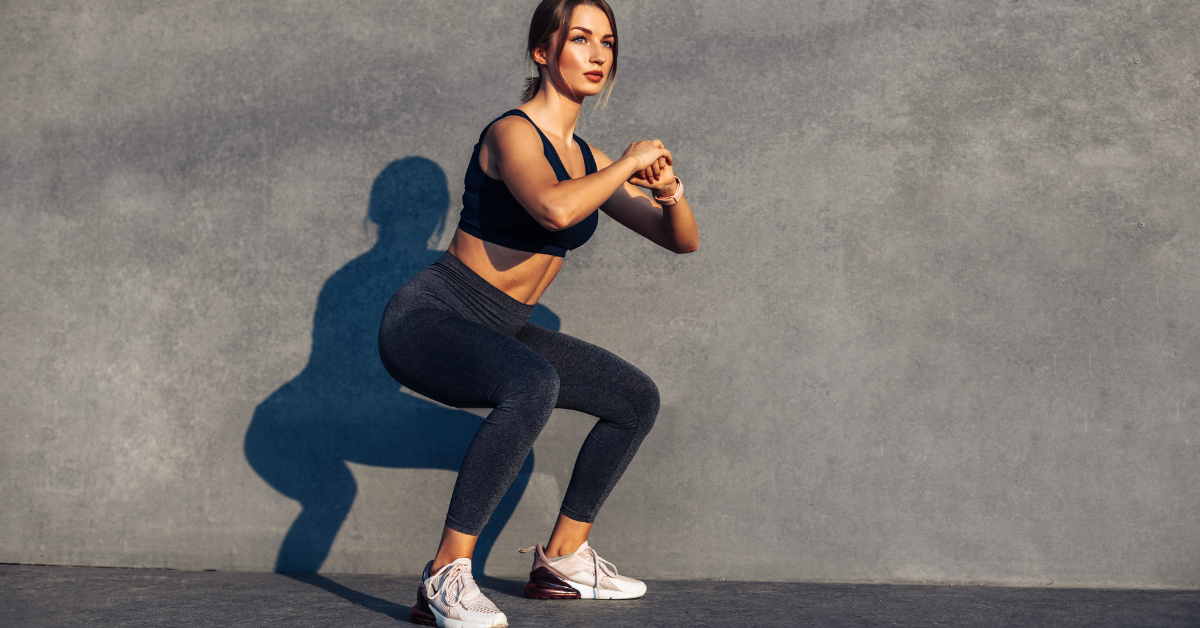
When cleared by a doctor or physiotherapist, structured core bracing and hip-hinge strength training relieve chronic back stiffness by restoring active lumbar spine stability and redistributing mechanical load. Prolonged sitting inhibits glute activation and forces the lower back to compensate during daily movements. Proper intra-abdominal bracing creates a rigid muscular cylinder that protects spinal discs. Concurrently, mastering the hip hinge transfers bending forces directly into the powerful gluteal and hamstring complex. This progressive biomechanical re-education eliminates micro-motion irritation across sensitive spinal segments, restores full hip mobility, and replaces guarded muscular spasm with resilient, pain-free functional movement.
Key Takeaways:
- ✔Medical clearance from a physician or physiotherapist is the essential first step before initiating post-rehab strength training.
- ✔True core stability relies on 360-degree intra-abdominal pressure and bracing, not hollowed abdominal crunches.
- ✔Mastering the hip hinge shifts sheer force away from the lumbar spine to the hips and glutes.
- ✔Gradual progressive loading rebuilds tissue tolerance, whereas passive bed rest delays recovery for chronic stiffness.
- ✔Private studio training in Singapore provides controlled, distraction-free biomechanical coaching tailored to desk workers.
Understanding Chronic Back Stiffness: Why Prolonged Rest Fails
Chronic lower back discomfort is one of the most frequent physical complaints among corporate professionals in Singapore. Long hours spent sitting at workstations across Marina Bay and Tanjong Pagar place continuous compressive stress on the lumbar spine. Over time, passive sitting leads to reciprocal inhibition of the glutes, tight hip flexors, and a loss of reflexive core stability. When individuals experience recurring stiffness or recover from an episode of back pain, their instinct is often complete rest. However, exercise science demonstrates that prolonged physical inactivity leads to further tissue deconditioning, fear-avoidant movement patterns, and heightened pain sensitivity.
Once acute inflammation subsides and you receive proper medical clearance from your doctor or allied health specialist, structured movement becomes the primary vehicle for lasting recovery. Working with a qualified personal trainer who understands clinical boundaries ensures you transition safely from initial rehabilitation into resilient functional strength.
The Biomechanics of Spine Safety: Core Bracing vs. Abdominal Hollowing
Many traditional fitness routines mistakenly instruct individuals to pull the navel inward toward the spine. Biomechanical research confirms that this hollowed position actually reduces spinal stiffness and compromises load tolerance. In contrast, authentic intra-abdominal bracing coordinates the diaphragm, transverse abdominis, internal and external obliques, and pelvic floor into a unified hydraulic pressure system.
When you brace correctly, you expand laterally into your entire abdominal wall without arching or flattening your lower back. This action creates a rigid column that shields your lumbar vertebrae, especially vulnerable segments such as L4-L5 and L5-S1. For individuals recovering from a previous disc bulge or managing intermittent sciatica symptoms, mastering this intra-abdominal pressure is non-negotiable prior to loading any compound movement pattern.
"True spinal resilience is never built by avoiding movement altogether. It is forged by mastering the precise biomechanics of intra-abdominal bracing and hip-hinge patterns, allowing your primary movers to absorb physical stress while keeping your lumbar spine quiet, stable, and protected."
- Coach Sharm (Hisham Musa, MSc Exercise & Sports Science), Founder of BodyThrive Singapore
The Hip Hinge: Sparing the Lumbar Spine
The hip hinge is the cornerstone of spine-sparing human movement. In daily life, Singapore desk workers repeatedly bend through their lower backs to pick up groceries, lift children, or tie their shoes. Over hundreds of daily repetitions, excessive lumbar flexion creates cumulative micro-trauma across the posterior spinal ligaments and intervertebral discs.
A structured hip hinge teaches the body to dissociate hip motion from spinal motion. During a hinge, your pelvis rotates over the femur heads while the lumbar spine remains in a neutral, braced position. The primary mechanical work is executed by the gluteus maximus, hamstrings, and adductors. Building genuine glute strength and restoring hip mobility ensures that daily bending forces are absorbed by powerful skeletal muscles rather than delicate passive spinal tissues.
If you are navigating post-physiotherapy transitions or recovering from past injuries, our specialized injury-safe personal training for back pain protocol focuses specifically on re-establishing this pattern through regressed variations like the dowel rod hinge, wall taps, and Romanian deadlift progressions.
Comparing Recovery Approaches: Passive Rest vs. Structured Post-Rehab Coaching
The following table illustrates the verifiable differences between traditional passive rest and modern, biomechanically structured post-rehab strength coaching:
| Feature | Passive Bed Rest & Avoidance | Structured Post-Rehab Coaching |
|---|---|---|
| Mechanical Objective | Avoid all spinal stress | Progressive loading within pain-free boundaries |
| Core Muscle Adaptation | Muscular atrophy and delayed firing | Enhanced intra-abdominal pressure and active bracing |
| Hip Mechanics | Increased hip flexor stiffness and glute amnesia | Restored hip mobility and active glute strength |
| Long-Term Outcome | High recurrence rate upon returning to activity | Resilient functional posture and daily physical confidence |
The Role of Progressive Loading in Spine Safety
Strength training for individuals with a history of back discomfort must follow strict progressive loading principles. Once bracing and hip hinging are demonstrated without compensatory lumbar rounding, safe resistance can be introduced. Beginning with light kettlebell deadlifts elevated on blocks, farmers walks for anti-lateral flexion, and chest-supported rows, the central nervous system learns that movement is safe.
Progressive loading encourages collagen remodeling, strengthens supporting spinal extensors, and enhances bone mineral density. Rather than treating the back as fragile, an evidence-based exercise program treats the human body as an adaptable biological system that thrives under calculated, progressive physical challenges.
Navigating the Singapore Lifestyle: Ergonomics, Nutrition, and Consistency
Rehabilitating back stiffness requires looking beyond the gym floor. In Singapore, daily habits significantly impact physical recovery. Commuting via MRT, enduring long conference calls in central business district offices, and high workplace stress all drive systemic muscular tension.
Simple daily adjustments support your training progress: incorporating short walking intervals between meetings, adjusting monitor heights to support upright cervical and thoracic posture, and selecting balanced nutrition at lunchtime. When ordering local meals such as Cai Fan (economy rice), prioritizing lean proteins like steamed chicken, tofu, and stir-fried greens while moderating heavy sodium gravies provides the essential nutrients required for tissue repair. You can track your baseline caloric and nutritional requirements using our free tools at https://www.bodythrive.co/tools/.
Private Studio Coaching Near Bugis and Marine Parade
Attempting to rehabilitate chronic back stiffness in a crowded, commercial gym can be counterproductive. Equipment is frequently occupied, distractions are high, and the pressure to lift beyond safe capacities often leads to technical breakdown. BodyThrive operates from a private personal training studio located at Sultan Plaza (100 Jalan Sultan #03-10), within minutes of Bugis, Beach Road, and Arab Street, conveniently serving professionals from Tanjong Rhu and Kallang. In addition, bespoke private training is available across residences and hotel facilities in Marine Parade and the East Coast corridor.
Under the direct guidance of Coach Sharm, who holds an MSc in Exercise and Sport Science, every session prioritizes strict biomechanical integrity, individual movement assessments, and seamless communication with your medical or physiotherapy team.
Frequently Asked Questions
Is it safe to lift weights with chronic lower back pain or a past disc bulge?
Yes, provided you have obtained medical clearance and work within pain-free movement thresholds. Controlled resistance training strengthens the core and posterior chain, which actively unloads the lumbar discs. Exercises must be regressed to match your current mechanical tolerance before adding load.
When do you need medical or physiotherapy clearance before hiring a personal trainer?
You should always seek clearance from a doctor or physiotherapist if you experience sharp shooting pain, numbness or tingling radiating down the legs, sudden weakness, or if your pain originated from an acute traumatic event. A professional personal trainer bridges the gap after formal clinical treatment concludes.
Which core and hip exercises stabilize the lumbar spine for Singapore desk workers?
Effective spine-sparing exercises include the McGill Big Three (modified curl-up, side bridge, bird-dog), pallof presses for anti-rotation, glute bridges, and properly cued hip hinges. These movements challenge core stability and glute activation without imposing dangerous spinal flexion.
Ready to Transform Your Strength & Energy?
Experience personalized coaching at our private Bugis / Beach Road studio, or bespoke Marine Parade private sessions. Book your 1-on-1 trial session today. Private studio at Sultan Plaza #03-10 near Bugis, Nicoll Highway & Lavender MRT.