Knee Pain Personal Trainer Singapore: Safe Lifting 45+

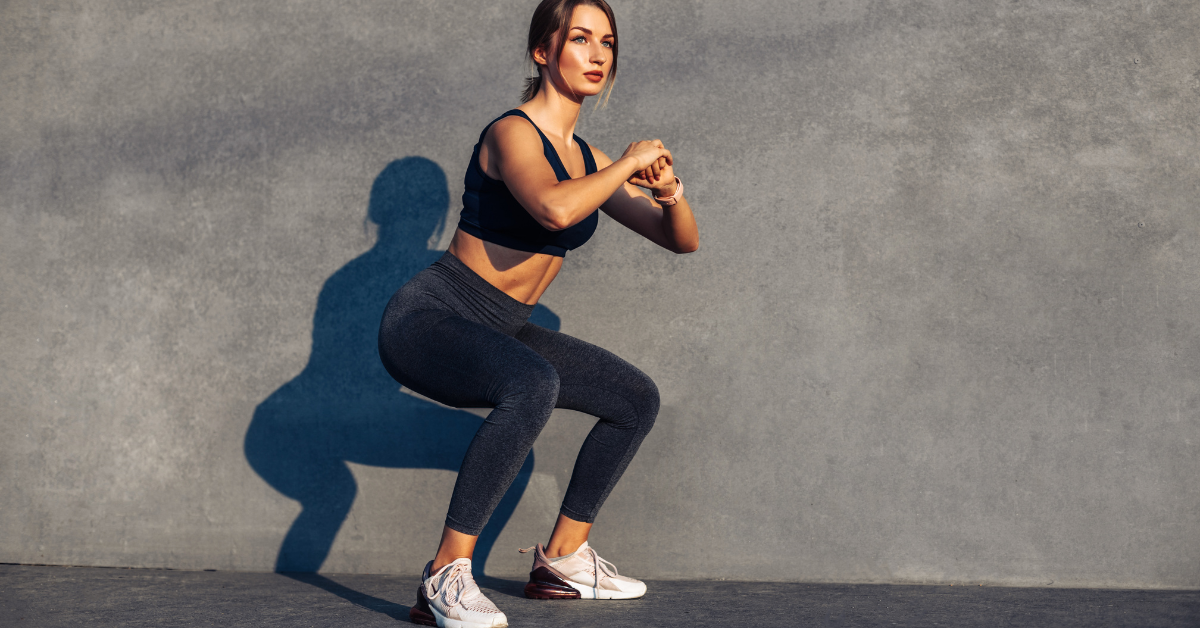
Coach Sharm modifies squats and unilateral strength work by managing patellofemoral shear forces through precise shin angles, controlled range of motion, and hip-dominant mechanics. For squats, he shifts the torso slightly forward into a box squat pattern to load the glutes and hamstrings rather than the anterior knee joint. For unilateral work, reverse lunges and elevated split squats replace forward lunges to maintain a vertical tibia and protect the meniscus. Training begins with pain-free isometric contractions to build tendon tolerance before progressing to slow eccentrics, restoring joint capacity without aggravating osteoarthritis or past injuries.
Key Takeaways:
- ✔Lifting weights after 45 with knee pain or osteoarthritis is safe and necessary when patellofemoral shear forces are managed.
- ✔Shifting from knee-dominant forward movements to hip-dominant mechanics reduces anterior patella compression by engaging the glutes and hamstrings.
- ✔Unilateral variations like reverse lunges and step-ups protect sensitive knees by maintaining a vertical shin angle and preventing tibial translation.
- ✔Isometric holds and tempo-controlled movements rebuild connective tissue resilience before introducing dynamic external loads.
Safe Strength Training After 45: Why Knee Pain Does Not Mean Stopping Exercise
Experiencing knee discomfort during your daily routine in Singapore is common, especially after age 45. Decades of commuting via steep MRT escalators, walking on hard pavements across Marina Bay, or working long sedentary hours in Tanjong Pagar take a cumulative toll on joint cartilage. However, resting completely or avoiding resistance training often accelerates joint degradation rather than fixing it. When quadriceps and gluteal muscle mass declines due to inactivity, the knee joint absorbs significantly greater ground reaction forces with every step.
Working with an evidence-based injury-safe personal training in Singapore specialist bridges the gap between clinical discharge and full functional strength. Progressive resistance training stimulates synovial fluid production, strengthens periarticular connective tissue, and reinforces bone mineral density. The goal is never to push through sharp or grinding joint pain. Instead, targeted biomechanics allow you to load surrounding musculature while keeping patellofemoral joint stress well beneath your symptom threshold.
The Biomechanics of Knee Pain: Patellofemoral Shear vs. Muscular Load
To train around knee pain, you must understand two opposing mechanical forces: compressive joint stress and active muscular recruitment. During deep, knee-dominant knee bends, forward knee travel pushes the patella firmly against the femoral groove. For someone with early-stage osteoarthritis, thinning articular cartilage, or a previous meniscus tear, this acute shear stress triggers inflammation and pain.
Safe training redistributes these forces to the hip complex. The glutes and hamstrings are Singapore adults' most underutilised muscle groups due to prolonged desk work. When we train the hip hinge and posterior chain to bear the primary load, the quadriceps can still fire effectively to stabilize the knee joint without excessive anterior shear. Biomechanical adjustments such as widening foot stance, keeping shins more vertical, and cueing hip external rotation immediately decompress the anterior joint capsule.
"Protecting the knee joint after 45 is not about eliminating squats or lunges. It is about altering lever arms, controlling shin angles, and building isometric tendon tolerance so the hips and quadriceps absorb the load instead of the cartilage."
- Coach Sharm (Hisham Musa, MSc Exercise & Sports Science), Founder of BodyThrive Singapore
How Coach Sharm Modifies Squats and Unilateral Strength Work
At BodyThrive Singapore, every client managing joint discomfort undergoes a structural movement screening before lifting heavy loads. Whether training at our private personal training studio near Bugis, Beach Road and Arab Street (located at 100 Jalan Sultan #03-10, conveniently serving residents from Kallang and Tanjong Rhu), or through private cluster and condo sessions in Marine Parade, exercise selection is customized using exercise science principles.
1. Replacing Free Squats with Box Squats and Shin-Angle Control
Standard bodyweight or barbell back squats often force the knees forward past the toes, dramatically increasing patellofemoral pressure. For clients with patellar tendinopathy or chondromalacia, we substitute free squats with the box squat. Sitting back onto a stable surface forces a vertical shin angle, shifting mechanical load directly onto the gluteus maximus and hamstrings while eliminating the uncontrolled bounce at the bottom range of motion.
2. Progressing from Isometric Holds to Slow Eccentrics
Tendon and joint structures respond remarkably well to isometric loading. We introduce Spanish squats using a heavy looped resistance band behind the knees or wall-sit variations at a comfortable 60-degree angle. These static holds stimulate analgesic effects in irritated tendons and build quadriceps endurance without joint movement. Once isometric capacity is established, we implement a 3-second lowering tempo (eccentric phase) to build muscular control before adding external resistance.
3. Eliminating Forward Lunges in Favor of Reverse and Elevated Splits
Traditional walking lunges create high deceleration forces across the lead patella. We immediately replace forward lunges with reverse lunges or rear-foot elevated split squats with a forward-leaning torso. Stepping backward keeps the lead tibia perpendicular to the floor, virtually eliminating shear stress on the patellar tendon while placing the working glute under optimal tension.
Movement Comparison: Standard vs. Joint-Friendly Modifications
Here is how standard gym movements compare to the joint-friendly regressions used in our clinical strength framework:
| Standard Gym Movement | Primary Joint Issue | Injury-Safe Modification | Biomechanical Benefit |
|---|---|---|---|
| Deep Barbell Back Squat | Excessive forward knee travel and high patellar shear | Box Squat with vertical shins | Transfers compressive force to glutes and hamstrings |
| Walking Forward Lunge | High impact deceleration on front knee joint | Deficit Reverse Lunge or Box Step-Up | Maintains vertical tibia; protects anterior meniscus |
| Seated Leg Extension Machine | Open-chain shear stress at terminal knee extension | Terminal Knee Extensions (TKE) with band | Safe closed-chain VMO quadriceps recruitment |
| Conventional Floor Deadlift | Spinal rounding compensating for tight hamstrings | Romanian Deadlift (RDL) or Trap Bar Deadlift | Reinforces pure posterior chain hip hinge safely |
Post-Physiotherapy Continuum: Working with Your Medical Team
Many clients come to BodyThrive after completing their clinical physiotherapy sessions at Singapore General Hospital (SGH), Tan Tock Seng Hospital (TTSH), or private clinics across the central business district. While physiotherapy excels at acute inflammation reduction, pain management, and early restoration of range of motion, clinical sessions often conclude once everyday walking is pain-free.
However, basic mobility does not equate to the high-load resilience required for active living, travel, tennis, or stair climbing. A qualified personal trainer works alongside your physiotherapist's clearance notes, systematically progressing your load capacity through controlled strength training. We monitor joint feedback meticulously: a safe exercise should never elevate pain past a 3 out of 10 during the movement, and any mild post-exercise stiffness must return to baseline within 24 hours.
To calculate your baseline nutritional and caloric needs while recovering and building lean tissue, explore our practical fitness resources at https://www.bodythrive.co/tools/.
Real-World Nutrition and Lifestyle Recovery in Singapore
Strength training forms only half of the joint recovery equation; systemic inflammation management and tissue recovery complete it. For busy working professionals in Singapore, dining at local hawker centres is an everyday reality. You do not need to follow an impractical fitness diet to support joint health.
When ordering economy rice (Cai Fan), select two portions of steamed lean protein like steamed chicken or braised tofu alongside two fibrous green vegetable sides like stir-fried chye sim or broccoli, while moderating processed gravies and deep-fried dishes. If ordering Hainanese Chicken Rice, request steamed breast meat and ask for cucumber slices without excessive dipping oil. Hydration is equally critical in our humid tropical climate: dehydrated connective tissues lose their viscoelastic damping qualities, increasing joint friction during movement.
The BodyThrive Approach at Sultan Plaza and Marine Parade
Located at Sultan Plaza (100 Jalan Sultan #03-10), our private training space provides a quiet, distraction-free environment without the chaos of commercial fitness chains. We also deliver private cluster training for residents along Marine Parade, Tanjong Rhu, and Kallang. If you are navigating persistent knee discomfort, lower back pain, or post-rehabilitation recovery, you do not have to guess your way through workouts.
Every program begins with a thorough biomechanical assessment, identifying your exact mobility limits and muscle recruitment patterns. From there, we build a calibrated pathway toward pain-free movement, resilient joint function, and sustained vitality for years to come.
Frequently Asked Questions
Can you lift weights with knee pain or osteoarthritis after 45?
Yes. Progressive resistance training is clinically recommended for individuals over 45 with knee osteoarthritis. Lifting weights stimulates joint lubrication, increases bone density, and strengthens the surrounding musculature to offload stress from damaged cartilage. The key is working within a pain-free range of motion using joint-friendly biomechanical modifications.
When should you see a physiotherapist before starting strength training in Singapore?
You should consult a licensed physiotherapist or orthopedic specialist if your knee displays acute swelling, locking, catching, instability, or severe pain resulting from sudden trauma. Once acute conditions are stabilized and you receive clearance for exercise, transition to an injury-safe personal trainer to build long-term strength.
Why do stronger glutes and hamstrings reduce anterior knee joint load?
The glutes and hamstrings form the primary engine of the posterior chain. When these muscles are strong and fire correctly during movement, they absorb hip-hinge forces and stabilize the pelvis. Weak posterior muscles force the quadriceps and patellar tendon to absorb excessive braking forces, which drives anterior knee compression.
Ready to Transform Your Strength & Energy?
Experience personalized coaching at our private Bugis / Beach Road studio, or bespoke Marine Parade private sessions. Book your 1-on-1 trial session today. Private studio at Sultan Plaza #03-10 near Bugis, Nicoll Highway & Lavender MRT.